30 Summer Tips Every Indian Must Know in 2026

BREAKING — India Heatwave Alert 2026 As of April 27, 2026, the India Meteorological Department (IMD) has confirmed that 95 of the world’s 100 hottest cities are in India. Parts of Madhya Pradesh, Rajasthan, and Maharashtra have already crossed 45°C. Above-normal heatwave days are expected from April to June. This is not the year to ignore summer safety.
India’s summer of 2026 is already brutal — and it is only April. If you live in Indore, Delhi, Nagpur, or anywhere in central and northern India, you already feel it in your skin, your sleep, and your energy levels. But here is the truth most blogs miss: surviving Indian summer is not just about drinking water. It is about smart, layered habits that protect your body, your mind, your skin, and your family — all at once.
In this guide, I am giving you the most complete, India-specific summer tips you will find anywhere online — backed by current IMD data, Ayurvedic wisdom, and modern medical advice. Read it, save it, and most importantly, share it with someone you love before they step out into the heat.
📋 What You Will Learn in This Post
- Why This Summer Is More Dangerous Than Before
- Hydration Tips — The Right Way to Drink Water
- Summer Diet Tips — What to Eat and Avoid
- Summer Safety Tips — Protect Yourself Outdoors
- Summer Health Tips — Body and Mind Wellness
- Summer Skin Care Tips for Indian Climate
- Summer Sleep Tips for Hot Nights
- Summer Tips for Children and Elderly
- Heat Stroke — Signs, First Aid, and Prevention
-
Why India’s Summer of 2026 Is More Dangerous Than Ever
This is not the same summer your parents warned you about. According to the IMD’s official April 2026 forecast, above-normal heatwave conditions are expected to continue from April all the way through June across East, Central, and North-West India. States like Rajasthan, Gujarat, Maharashtra, Bihar, Jharkhand, West Bengal, Odisha, and Telangana are on the highest-risk list.
What makes 2026 uniquely dangerous is the combination of three factors hitting at once:
Early onset. Peak heatwaves usually strike in May or June. In 2026, extreme temperatures became widespread in April itself — giving the human body less time to gradually acclimatise to rising temperatures.
Hot nights. The body normally recovers from daytime heat during the night. This year, nighttime temperatures are not dropping enough for that recovery to happen — meaning the body accumulates heat stress day after day with no relief.
Dry winds. The lack of pre-monsoon rainfall and dry, hot winds (loo) means the air provides no cooling moisture — making even shade feel like an oven.
“Two school teachers in Odisha died in late April 2026 while conducting census-related outdoor work during heatwave conditions. This is the reality of Indian summer in 2026.” — The Wire, April 2026
This is why these summer tips are not optional reading. They are life-saving information.
-
Summer Tips for Hydration — The Right Way to Drink Water
Drinking water is the most obvious summer tip — and the one people do most wrong. Most Indians wait until they are thirsty. That is already too late. Thirst is your body’s first sign of mild dehydration. In 45°C heat, mild dehydration escalates to dangerous dehydration very fast.
01
Drink 3–4 litres daily
Adults need at least 3 litres. Outdoor workers and exercisers need 4–5 litres. Set phone reminders every 90 minutes if you forget to drink.
02
Start your day with 2 glasses of water
Before chai, before breakfast — drink 2 glasses of plain water. Your body loses water overnight through breathing. Replenish it first thing.
03
Add ORS or electrolytes
Plain water is not enough when you sweat heavily. ORS (oral rehydration salts) replace the sodium, potassium, and glucose your body loses. Keep ORS sachets at home.
04
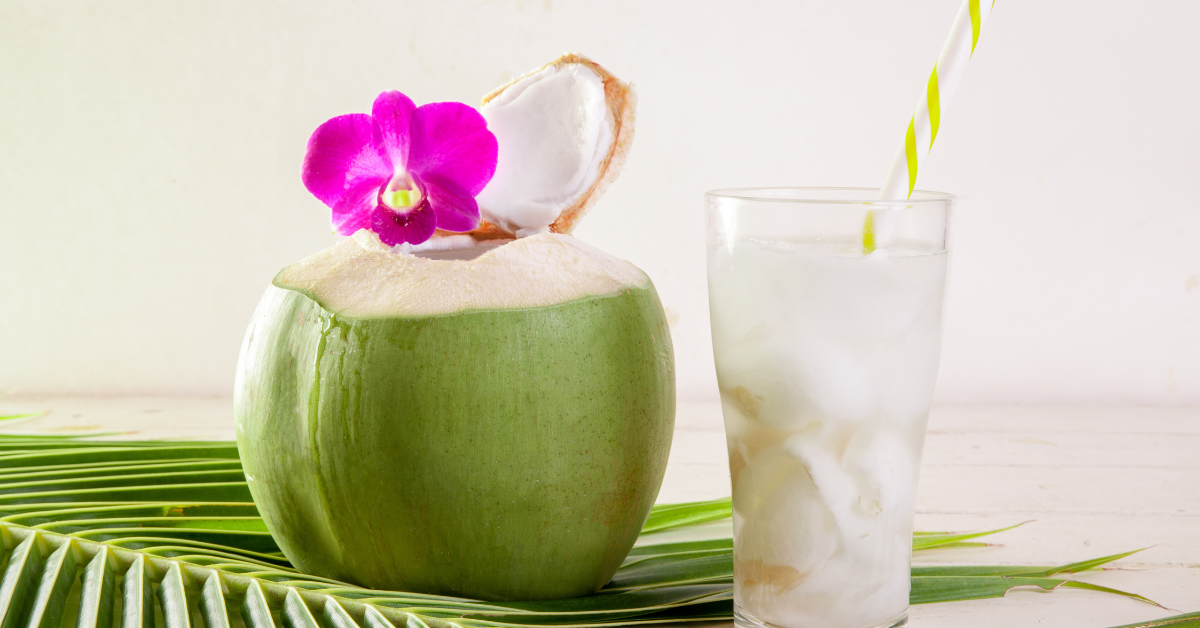
Drink coconut water daily
One glass of coconut water has more natural electrolytes than most sports drinks — with zero artificial ingredients. It is the best summer drink India has always had.
05
Avoid alcohol, cola, and excessive chai
Alcohol and caffeine are diuretics — they make you urinate more, increasing dehydration risk. Limit to 1 cup of chai in summer. Never drink alcohol in heat.
06
Carry water every time you go out
Never leave home without a water bottle. Do not depend on market water or waiting to find a shop. Always have at least 500 ml on you at all times.
✅ Quick Rule to Remember Check the colour of your urine. Pale yellow = well hydrated. Dark yellow or orange = drink water immediately. No urination for more than 6 hours = might be medical emergency.
-
Summer Diet Tips — What to Eat and What to Strictly Avoid
Your diet in summer directly decides how your body handles heat. The right summer diet keeps your internal body temperature down, reduces sweating, improves energy, and protects your gut — which becomes very sensitive in hot weather. Here is your India-specific summer food guide:
Best Foods to Eat in Indian Summer
| Food / Drink | Why It Helps in Summer | How to Have It |
| Watermelon (Tarbooz) | 92% water content, rich in lycopene and electrolytes | Morning snack or afternoon cooling food |
| Curd / Dahi | Probiotics protect gut, natural cooling effect | Daily at lunch — plain or as raita |
| Coconut Water | Natural electrolytes — sodium, potassium, magnesium | 1 glass every morning or after going out |
| Aam Panna | Raw mango + cumin + black salt — prevents heat stroke | Before stepping out in afternoon |
| Chaas (Buttermilk) | Cools stomach lining, aids digestion in heat | With lunch or as a mid-day drink |
| Sattu (Roasted Gram Flour) | High protein, cooling, high fibre — Bihar’s summer superfood | Mix with cold water, lemon, jeera |
| Cucumber (Kheera) | 95% water, cooling vitamins B and C | As salad or raw snack between meals |
| Mint (Pudina) | Menthol cools the body from inside | Add to chaas, lemonade, or chutneys |
| Khichdi | Light, easy to digest — prevents digestive stress in heat | Dinner — light meal is always better at night in summer |
| Bel (Wood Apple) Sharbat | Excellent for gut health, prevents dehydration | Afternoon drink — widely available in street stalls |
Foods to Strictly Avoid in Summer
Spicy, oily food — increases internal body heat and causes digestive distress in hot weather. Street food — bacterial contamination risk is highest in summer. Non-vegetarian food at night — protein metabolism generates heat. If eating meat, eat it only at lunch. Packaged and junk food — high sodium causes water retention and worsens dehydration. Chilled ice cream in excess — causes a temporary throat and gut shock that paradoxically raises body heat.
💡 Traditional Indian Summer Wisdom That Actually Works Our grandmothers were right. Aam panna before going out, sattu in the afternoon, and chaas at lunch — these are not just traditions. They are scientifically proven electrolyte replacements and cooling agents. Before reaching for a sports drink, try the Indian kitchen first.
-
Summer Safety Tips — How to Protect Yourself Outdoors
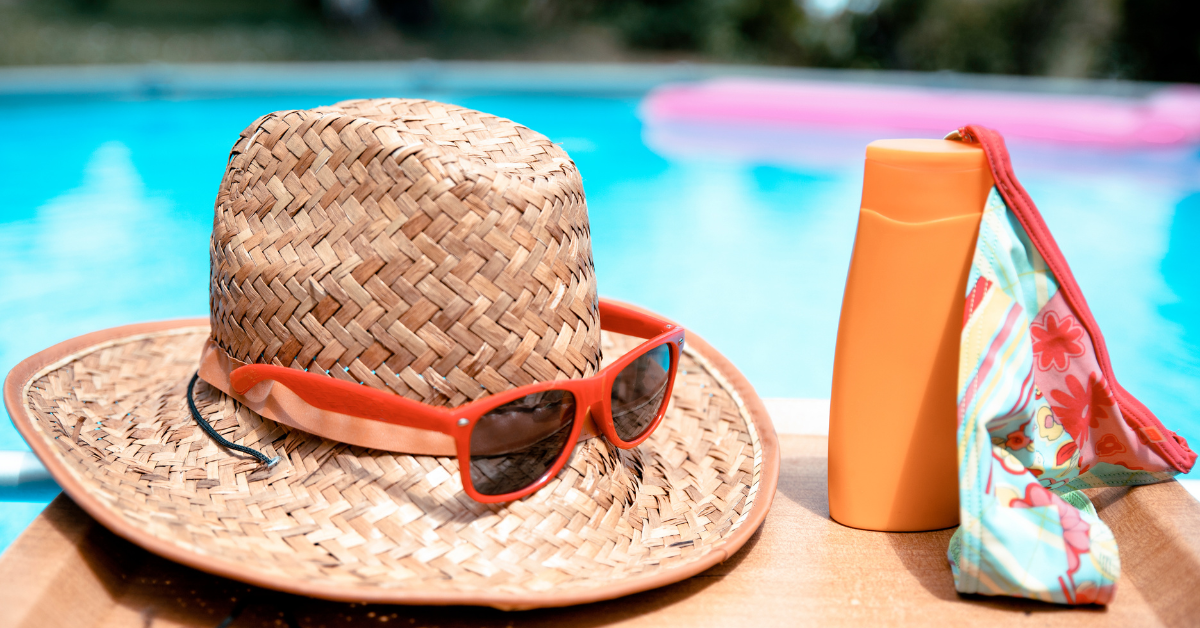
These summer safety tips are the most critical section of this post. The heat kills — and it kills fast. In 2026, with heatwave deaths already being reported in April, these are not tips to read and ignore.
07
Stay inside from 12PM to 4
This is the unchangeable golden rule. UV radiation and temperature are at their highest during the hours of noon to 4 p.m. It is not worth the risk of heat stroke. Make sure to plan all outdoor activities before 10 am or after 6 pm.
08
Cover your head always
A cotton dupatta, cap, or umbrella is not optional. Direct sun on the head is the fastest route to sunstroke. Keep an umbrella in your bag every single day from March to July.
09
Wear light, loose cotton or linen
Synthetic fabrics trap heat. Dark colours absorb heat. Wear white, beige, or light pastel cotton or linen. Loose clothes allow air circulation and sweat evaporation — your body’s natural cooling system.
10
Never leave children or pets in a parked car
A parked car in summer reaches 60°C+ inside within 10 minutes. This is fatal. Not even for “just 5 minutes.” Take them with you always.
11
Wet a towel and keep it on your neck
The neck, wrists, and inner ankles are pulse points — areas where blood vessels are close to the skin. A cold, wet cloth on these areas cools your entire body rapidly.
12
Know your nearest cooling centre
The Delhi, Indore, and many city governments have designated public cooling centres — libraries, community halls, and hospitals with AC. Know where yours is before you need it.
⚠️ Warning: Never Do These in Summer Heat Do not exercise outdoors between 11 AM and 5 PM. Do not skip meals — an empty stomach worsens heat exhaustion. Do not ignore symptoms of heat exhaustion (dizziness, weakness, heavy sweating) assuming they will pass. They escalate to heat stroke quickly.
-
Summer Health Tips — Full Body Wellness in the Heat
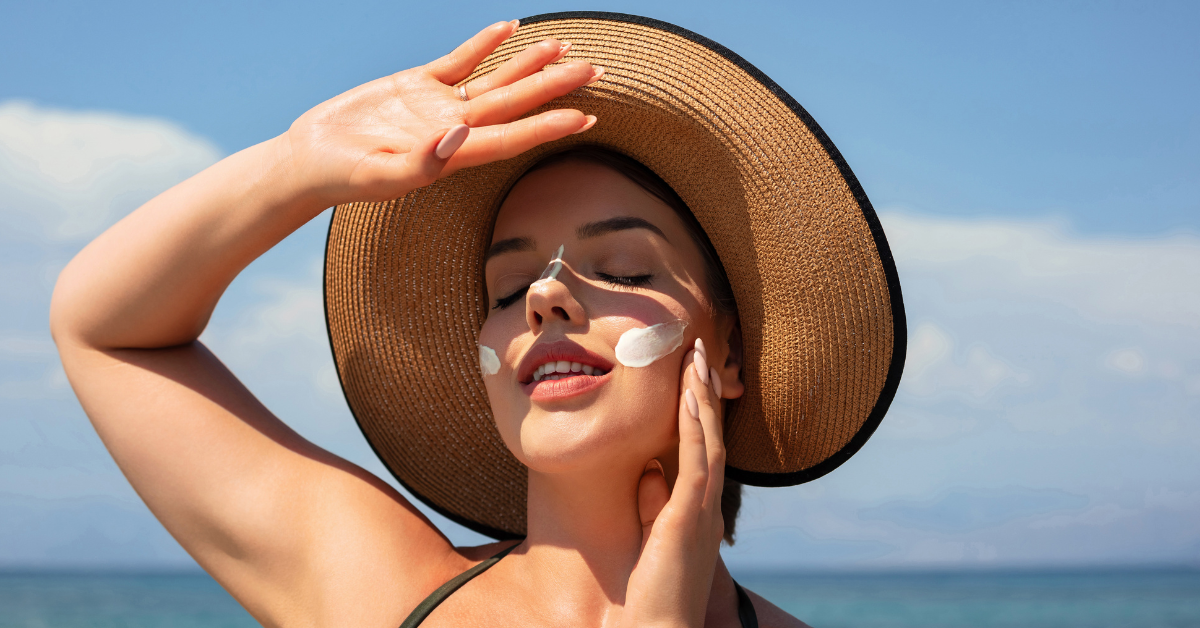
Beyond safety, these summer health tips ensure your body and mind actually function well during India’s longest season — not just survive it.
13
Exercise only in the early morning
If you exercise outdoors, 5 AM to 7 AM is your window. After that, move your workout indoors or skip it. Exercising in heat without acclimatisation leads to rapid, dangerous core temperature rise.
14
Take a cool shower twice a day
Cool (not ice cold) showers lower body temperature efficiently. A shower before bed significantly improves sleep quality in hot weather. Avoid hot showers completely in summer.
15
Eat smaller, more frequent meals
Large meals generate more metabolic heat during digestion. In summer, eat 4–5 small, light meals instead of 2–3 heavy ones. This also prevents the after-lunch energy crash that summer heat intensifies.
16
Check your medications
Certain medications — including blood pressure pills, diuretics, and antihistamines — reduce the body’s ability to regulate heat. Ask your doctor in summer if any adjustment is needed.
17
Manage summer mental health
Heat causes irritability, anxiety, and even aggression — this is medically documented. The phrase “hot-tempered” is literally physiological. Stay cool, stay patient. Practice 5 minutes of deep breathing daily.
18
Keep a thermometer at home
Know the difference between a mild summer fever and a heat-related emergency. A body temperature above 104°F (40°C) combined with confusion or no sweating = call emergency services immediately.
Life changing summer health tips
-
Summer Skin Care Tips

Indian skin is beautiful but vulnerable in summer. The combination of UV radiation, dust, heat, and sweat creates the perfect storm for tan, rashes, prickly heat, fungal infections, and accelerated ageing. Here are summer skin care tips specific to the Indian climate:
Use SPF 30+ sunscreen every day. Even on cloudy days. Even if you are going from home to an auto for 3 minutes. Reapply every 2 hours when outdoors. India’s UV Index reaches 11+ in summer — the highest risk category.
Switch to a gel-based or water-based moisturiser. Heavy creams and lotions clog pores in summer heat. Use a light, oil-free gel moisturiser morning and night.
Never touch your face with sweaty hands. Sweat mixed with dust and environmental pollutants causes acne and skin infections. Carry a clean handkerchief or tissue.
Treat prickly heat (ghamori) naturally. Apply rose water, chilled aloe vera gel, or a paste of sandalwood and water. Wear loose cotton clothes. Avoid powders with talc as they can clog pores. Pure neem-based powders are safe and effective.
Shower with cold water and mild soap twice daily. Do not use harsh soaps that strip natural oils — your skin barrier is your protection against environmental bacteria in summer.
Lip care. Lips crack severely in Indian summer. Apply a beeswax-based lip balm with SPF. Drink enough water — lip cracking is one of the first visible signs of dehydration.
-
Summer Sleep Tips — How to Sleep Well in India’s Heat

Hot nights are one of the most underrated dangers of Indian summer. As mentioned earlier, 2026 nights are not cooling down enough for the body to recover from daytime heat. Poor sleep compounds the physical stress of heat. Here is how to sleep better:
19
Cool your bedroom before sleeping
Run a fan with a bowl of ice in front of it. Close curtains during the day to prevent the room from heating. Use a wet sheet near an open window — the evaporation cools the room naturally.
20
Sleep on cotton bedsheets
Synthetic bedsheets trap body heat. Pure cotton allows your skin to breathe. Use the thinnest cotton sheets you have. No blankets in summer — a thin cotton sheet is sufficient.
21
Avoid heavy dinner before sleeping
Digesting a heavy meal raises your core body temperature for 2–3 hours. A light dinner of khichdi, curd rice, or vegetable soup means cooler, better quality sleep.
22
Sleep early, wake early
Mornings are the only time Indian summer air is genuinely cool and refreshing. By sleeping at 10 PM and waking at 5–6 AM, you maximise the coolest hours of the day. This is not just traditional advice — it is biological intelligence.
-
Summer Safety Tips for Children and Elderly in India

Children and elderly people are the two groups most likely to suffer severe, life-threatening heat illness in Indian summer. Their bodies cannot regulate temperature as efficiently as healthy adults.
Summer Tips for Children
Keep children indoors from 11 AM to 5 PM during peak summer. Schools that run during summer months must be watched carefully — many school buildings in India are not air-conditioned. Ensure your child carries 1–1.5 litres of water to school. Pack cooling foods in their tiffin: cucumber sticks, watermelon pieces, curd rice. Check their skin daily for prickly heat rashes and treat immediately. Teach older children to recognise symptoms of heat exhaustion in themselves.
Summer Tips for Elderly
Elderly people often do not feel thirst even when severely dehydrated — their thirst mechanism weakens with age. Set alarms to remind elderly family members to drink water every hour. Check if their medications interact with heat (ask their doctor specifically). Ensure they have access to a cool room and are not left alone during extreme heat days. Check on elderly neighbours — heatwave deaths in India disproportionately affect older adults living alone.
-
Heat Stroke — Recognise It, Act Fast, Save a Life
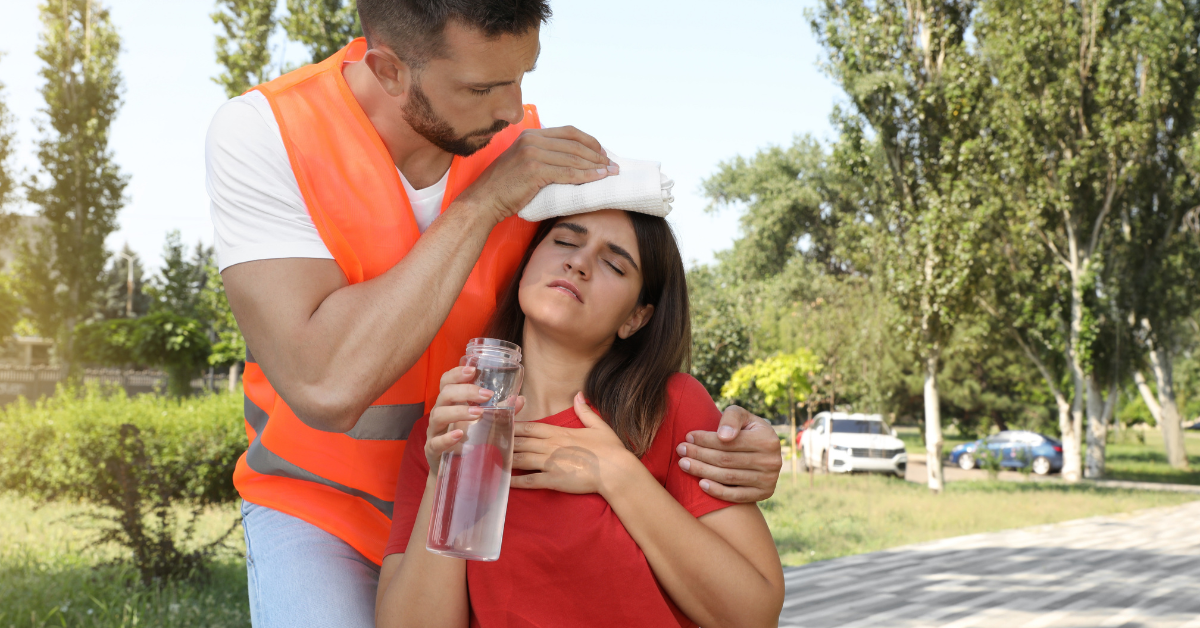
This section could be the most important thing you read this summer. Heat stroke is a medical emergency. Without immediate treatment, it causes brain damage, organ failure, and death — within hours.
Heat Exhaustion vs. Heat Stroke — Know the Difference
| Symptom | Heat Exhaustion | Heat Stroke (Emergency) |
| Body Temperature | Normal to 39°C | Above 40°C (104°F) |
| Sweating | Heavy sweating | No sweating, dry skin |
| Mental State | Dizzy, tired, weak | Confused, aggressive, unconscious |
| Skin | Cool, pale, clammy | Hot, red, dry |
| Action Needed | Move to shade, give ORS water, rest | Call 108 IMMEDIATELY |
Heat Stroke First Aid — What to Do Right Now
Step 1: Call 108 (emergency ambulance) immediately. Do not wait to see if they improve.
Step 2: Move the person to a cool, shaded place immediately.
Step 3: Remove excess clothing.
Step 4: Apply cool (not ice cold) water to their skin, especially neck, wrists, and armpits. Fan them vigorously.
Step 5: If conscious, give small sips of cool water or ORS. Do not force water on an unconscious person.
Step 6: Do not leave them alone until medical help arrives.
🚨 Emergency Numbers to Save Right Now National Emergency:112| Ambulance:108| Government Heat Helpline (available in most states during heatwave alert). Save these in your contacts today — not later.
-
Quick Summer Tips — The Final Checklist
23
Keep your home cool naturally
Keep curtains closed during the day. Open windows at night when air cools. Place potted plants near windows — they reduce indoor temperature through transpiration.
24
Use khus (vetiver) curtains
Traditional khus curtains, when kept wet, cool the air entering your room by 4–6°C. This is India’s oldest, cheapest, and most effective natural air conditioner.
25
Care for stray animals
Dogs, cows, and birds suffer terribly in Indian summer. Place a bowl of water outside your door or building gate. This small act can save a life every single day.
26
Check IMD forecasts daily
Follow @Indiametdept on Twitter/X for daily heatwave alerts. Plan outdoor activities based on the day’s forecast. Do not be caught off guard by a sudden 47°C day.
27
Keep your eyes protected
Wear UV-protective sunglasses outdoors. India’s summer UV causes corneal damage and long-term vision problems. Good sunglasses are a medical necessity, not a style choice.
28
Foot care in summer
Wear breathable footwear. Avoid bare feet on tar roads — tar reaches 70°C+ in summer sun and causes severe burns. Wash feet with cool water after coming home.
29
Check on your neighbours
Heatwave deaths are largely preventable through community care. Check on elderly neighbours, daily-wage workers, and anyone living alone. A knock on the door can save a life.
30
Keep a summer emergency kit
ORS sachets, a thermometer, a cold pack, electrolyte powder, and a printed list of emergency numbers. Keep this kit accessible at home and in your car throughout summer.
Stay Cool, Stay Alive — Your Summer Action Plan
Indian summers are getting hotter every year. But with the right summer tips, summer safety tips, and summer health habits, you can protect yourself, your family, and even your community.
Here is your 3-point action plan starting today:
- Hydrate right now.Drink a glass of water before you close this page.
- Share this post.Forward it to your parents, your children, your colleagues, and your WhatsApp groups. The tips in this guide could literally save someone’s life this summer.
- Bookmark this page.Come back whenever you need to check summer safety tips, symptoms, or diet advice. Update your habits as new IMD alerts come in.
Summer is long. Take care of yourself, one day at a time. 🌞
🙏 Did This Help You? Please Share It.
Forward this blog on WhatsApp, Instagram, and Facebook. Your one share could protect someone from a heat stroke this summer. That matters more than any like or comment.