
New Year Resolutions for Kids can be the perfect way to inspire little minds to build big habits for a brighter future.
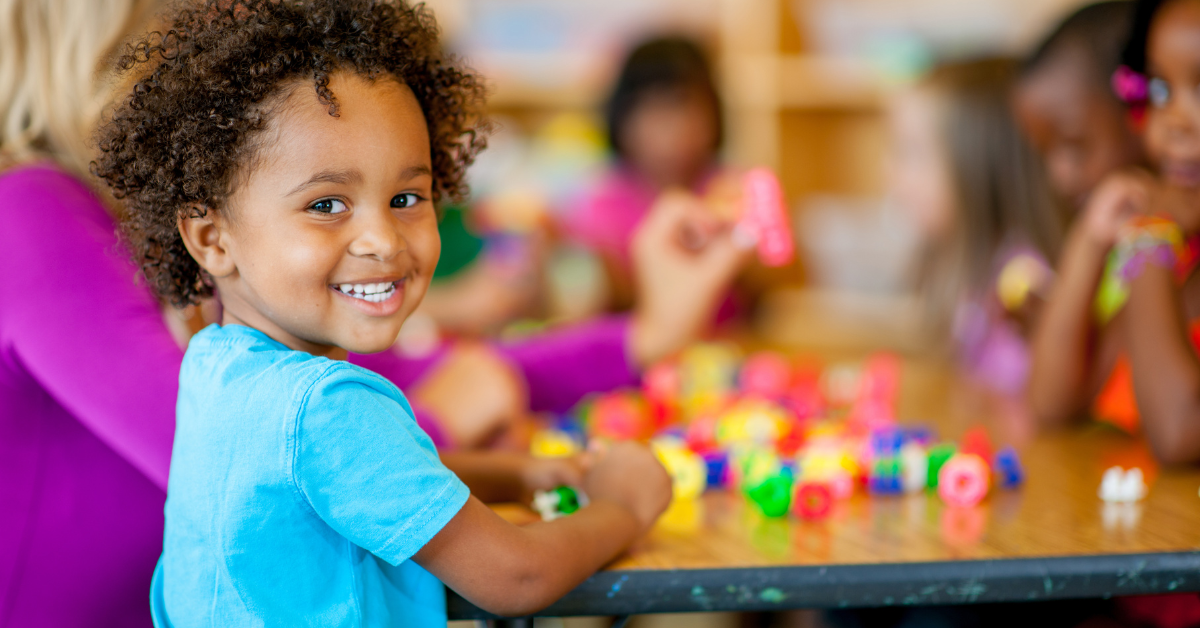
Each January, when we welcome the beginning of a new year with family gatherings and delicious dinners, it’s the ideal moment to teach our children how to establish good habits and create important goals. Helping children make resolutions for the coming year isn’t only about keeping a tradition, it’s an effective method of instilling self-control, discipline, and the value of constant improvements that will be beneficial to them for the rest of their lives.
As Indian teachers and parents We are aware of the importance of academic excellence as well as strong character development. This complete guide will assist you to assist your children in forming feasible solutions that can be achieved and align with our culture while helping them prepare to succeed in the current competitive world.
What are the reasons why New Year Resolutions are Important for Children
In our society we’ve always stressed that self-improvement is a key component of our culture as well as discipline. From the notion in “sanskaar” as well as the practices that is “sankalp,” goal-setting is an integral part of our tradition. The New Year’s resolutions of course are just an updated version of these values that have been around for centuries.
If children are taught to set goals from an early age in life, they acquire the determination and focus needed to succeed in school as well as extracurricular activities. life. In the highly competitive world of education in India in which exams for entrance, such as board exams such as JEE and NEET as well as a myriad of exams that determine future possibilities The ability to establish and meet goals is more vital.
Resolutions can also teach youngsters that progress requires constant effort. It doesn’t matter if it’s a difficult subject, acquiring classical music, or establishing more effective study habits Resolutions can help children realize the importance of regular discipline, not the last minute cramming.
Teachers and parents alike Resolution-setting provides parents and teachers with important opportunities to help children. If you are able to sit down with your child to discuss their goals for the year ahead and help to set goals but also making them aware that their goals and effort are important to you.
Age-appropriate Resolutions for Children
Different age groups need different objectives. An effective resolution for a class 10 student making preparations for the board will be very different from the one that works for a child in the primary school. Here’s a guideline specific to Indian schooling levels.
New Year Resolutions for Kids- Pre-Primary and primary students (Ages 3-8)
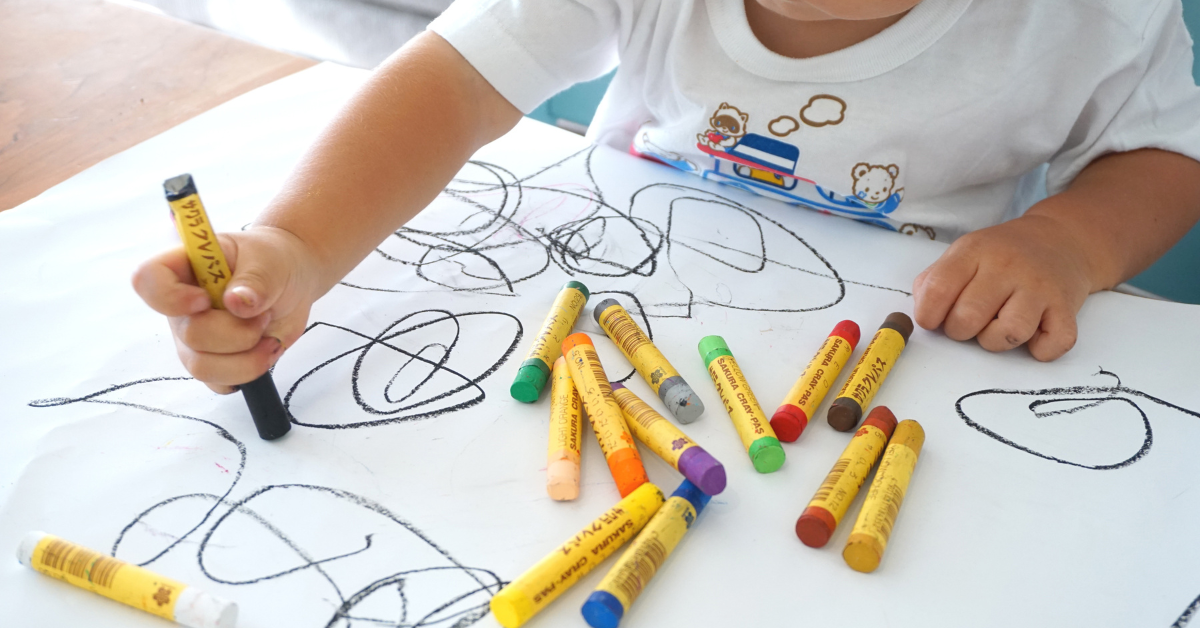
At this point resolutions must be easy that are concrete and focused on developing good habits. Young children require goals that they are able to comprehend and accomplish every day.
Resolutions for Kids:
- Maintain my school bag in order and prepared the night prior to bed.
- Make sure you have completed your homework prior to playing.
- I brush my teeth twice a day without a reminder.
- Begin by touching the elders’ feet. Ask for their blessings with respect.
- Help Amma by helping with basic household chores.
- I am practicing writing in my notebooks neatly.
- Learn a new Hindi/regional word per day.
- Drink plenty of water and eat your lunch.
- I like sharing my lunch with my friends at school.
- Place my uniform in the laundry basket following school.
For children younger than the age of 10 Make resolutions enjoyable instead of a burden. Utilize colorful charts and stars, or create simple rhymes to describe the objectives in Hindi or the local language or transform resolutions into a fun game with a few small rewards.
New Year Resolutions for Kids (Classes 4-7)

Children of this age can manage more standardized goals and are able to work towards long-term goals. This is the perfect time to establish the academic discipline as well as character.
Academic-focused resolutions:
- Complete your homework as soon as you finish tuition class.
- Revision of the lessons from today before the next class.
- Make your handwriting more efficient by practicing one daily
- Learn all multiplication tables from 1 to 20.
- Read a single English story book each month
- Make a study timetable and stick to it
- Ask teachers to clarify your questions instead of lingering in confusion
- Practice mental math for 10 minutes daily
- Make sure you have neat notes for any subject
- Over 85% marks across the entire year in all subject areas.
Resolutions based on character and values:
- Parents and elders should be treated with respect (no speaking back)
- Assist younger siblings in their schoolwork
- Limit screen time to 1 hour during the week.
- Practice yoga or surya namaskar every morning
- Make sure my study table and my room tidy
- Spend your pocket money wisely instead of wasting it on frivolous items
- Be adamant to stop bullying, ragging and intimidation at school
- Respect elders and teachers.
- Be calm and control my anger. with calmness
Skills and cultural development:
- Practice classical dance/music for 30 minutes daily
- Learn to recite one Sanskrit shloka per month
- Help your family with pujas at home and be aware of the significance
- Learn how to cook a basic Indian dish
- Enhance my Hindi/regional reading and writing
New Year Resolutions for Kids Middle School Students (Classes 8-10)

These are the most crucial years of these crucial years of education system and board exams are coming up and academic pressure rising. Resolutions must balance preparation for exams along with overall development.
High-quality academic resolutions
- Regularly attend coaching classes and review the material afterward.
- Make notes with chapters for the subjects of board exams.
- Find previous year’s board papers each week on the weekend
- Concentrate your time on subjects that are weak (Maths and Science, as well as languages)
- You should aim for a specific percentage on board examinations.
- Be sure to complete NCERT exercises thoroughly prior to switching to the reference books.
- Study groups will meet to discuss complex concepts.
- Make sure you take regular mock tests and look over the mistakes you made.
- Develop English writing and speaking skills
- Reduce the need for tuition by focusing on self-study as the first step.
Time Management and Discipline:
- Get up at 5:30 AM to work during the peaceful early morning time
- Maintain a strict study plan with a specific time for each subject.
- Limit the use of mobile phones to 30 minutes a day
- Stop putting off assignments or assignments
- Preparation for the Balance Board exam with regular school tests
- Make 10-minute study breaks each hour to keep your focus
- You should go to bed by 10:30 pm in order for a good night’s sleep
Personal development:
- Pray meditation or pranayama to increase your concentration
- Participate in debates held at school and compete in school debates
- Daily read newspapers to increase general knowledge
- Develop basic computer abilities (MS Office or typing)
- Volunteer to assist with social services activities
- Find a passion that goes beyond the academics
- Enhance your the communication skills of your child by engaging in English books
New Year Resolutions for Kids Secondary Students (Classes 11-12)

These years are the ones that determine college entrance and career pathways. Resolutions should be planned and aligned with exams and board preparation.
Competitive exam preparation:
- Get serious about JEE/NEET/CLAT preparation starting in Class 11
- Participate in coaching classes and not bunk.
- At minimum one previous year’s paper each week
- Join the online test series to practice regularly
- Be sure to study NCERT in depth prior to you read the more advanced books.
- Clare concepts rather than learning formulas
- Make sure you correct your mistakes following every mock test
- Balance board syllabus for exam with the entrance exam preparation
- Join peer study groups for difficult topics
- Keep up-to-date with exam patterns and changes to the exam pattern.
Planning your career and building skills:
- Explore different career paths that go other than engineering and medicine
- Learn about college admissions processes and entrance examinations
- Learn skills that are relevant to your chosen profession (coding design, writing)
- Participate in sessions with career counselors
- Make sure you have a solid academic profile to be able to apply for college
- Develop financial literacy and comprehend the fundamentals of investments
- Increase English proficiency to pass examinations in the competitive market
Wellness and health (often ignored):
- Exercise for 30 minutes daily despite study pressure
- Make your meals at home instead of junk food that is available from outside.
- Have a day off each week to recharge your mind.
- Studying with time-bound deadlines can help reduce stress
- Speak to your parents or counselors if you are feeling overwhelmed. Talk to your parents or counselors if you feel
- Keep your posture correct while working for long hours
- Get seven hours of rest all through exam time
Motivational Swami Vivekanand Quotes to Inspire
How can you help your child Set Goals that are meaningful
A simple message to your child “you need to do more study” isn’t going to result in lasting changes. The selection process for resolutions has to be thoughtful and collaborative. Here’s how teachers and parents can effectively guide children.
Begin by completing a thorough self-assessment
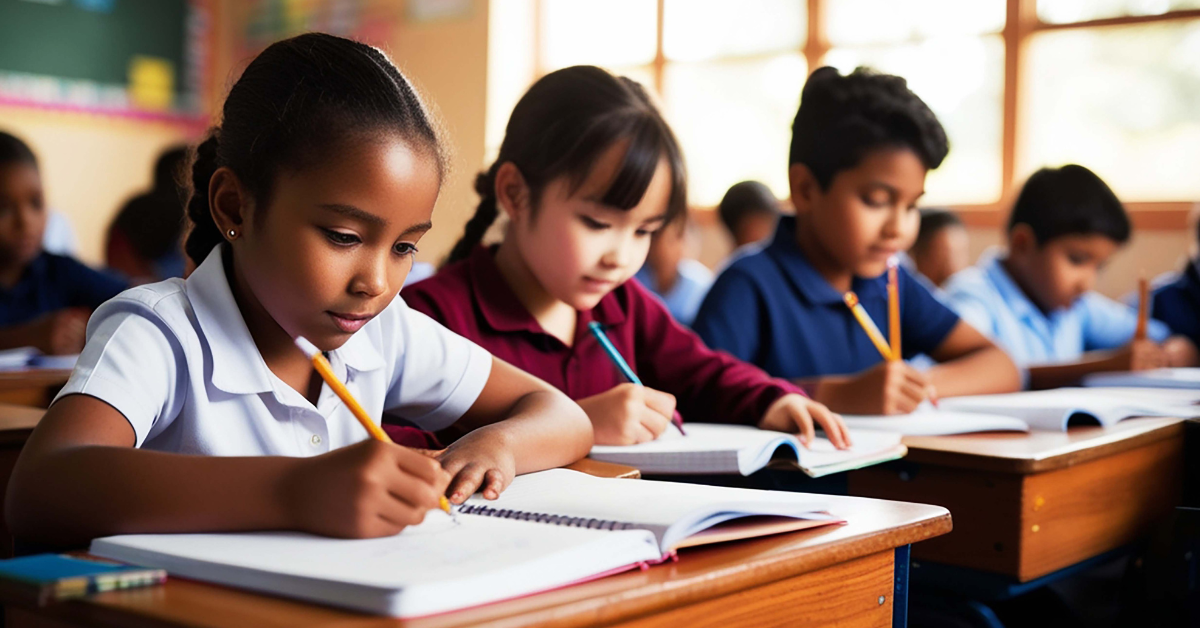
As you look ahead, let children think about the previous year. Ask them questions such as: What topics did you consider the most difficult? What were the places where you felt confident about your accomplishments? What were the habits that hindered your progress? Did you manage your time well during exams?
For younger children, go through their reports and school diaries. For older students, you can encourage them to look at their own work honestly, not only scores, but also effort consistent learning, effort, and determination.
This assessment of self is crucial in a society where children are often reluctant to acknowledge their weaknesses due to the fear of disappointing their parents. Create an environment that is safe and non-judgmental for open and honest conversations.
Find a balance between academic goals and holistic Development
Academics are essential in the competitive world of India. But, resolutions should not be focused solely on the marks and rankings. Students who are most successful are those who can balance their study with physical fitness and emotional wellbeing as well as growth of their character.
If your child’s complete list is comprised only of “score 95% in the boards” or “crack JEE,” encourage them to make resolutions regarding relationships, health or their personal interests. These goals that are balanced will can prevent burnout and produce healthy, well-rounded people.
Set Goals that are SMART and achievable.
Indian youngsters often make overly ambitious goals such as “become top of the group” and “score 100 percent in every subject.” While it is great to have ambition but unrealistic goals can lead to frustration.
Encourage your child to set Specific, Measurable, Attainable, Time-bound, and Relevant (SMART) targets:
- As an alternative to “improve at Maths” consider “solve 5 extra Maths problems every day, and increase my scores from 75 percent to 85% by the end of March”
- If you’re not able to “study longer,” try “study for two hours per day, during breaks of 10 minutes after tuition”
- If you want to “be better,” try “play outdoor games for 30 minutes each in the evening”
Look at how to use the Indian Academic Calendar
In contrast to the Western calendar the academic year in India runs around the month of June through March. So, that January resolutions are in fact mid-year academic objectives, which are perfect to correct course.
For students in classes 9-12 The month of January is a great time to evaluate their first-term performance and establish resolutions to improve second-term performance. For students who take board exams It’s the last test before exams.
Set resolutions in line with events coming up for example: Unit tests during February, Board examinations during March and April and summer break activities or exam schedules for preparation.
Get the whole family involved
In nuclear or joint families family, the strength of all members is paramount. Make sure to share your child’s resolutions grandparents siblings, parents, and other family members so that they can cheer them on and help them.
For instance, if your child chooses to wake up earlier, the entire family could adjust the timing of breakfast. If they’re trying to limit the amount of screen time, parents must be a role model instead of constantly watching TV.
Techniques to Track and Monitor Students in Indian Homes and Classrooms
Children should be able to track their progress frequently. Here are some tracking strategies that work in Indian situations.
Study Timetable and Resolution Checkboxes
The majority of students have already created timetables of their study. Include a section to track daily resolution monitoring. After they have completed each resolution-related task and completing each task, they can tick the box or place an icon.
Keep this timetable close to their desk in a place where they’ll be able to see it several times a day. For teens who are digitally savvy, they could use apps or even keep a basic Excel sheet.
The Monthly Report Card Tracker Style
Create a simple tracking worksheet which resembles a report card. It has resolutions included in the same manner as subjects as well as daily “grades” (also known as checkmarks).
Each month, hold a brief “parent-teacher meeting” type discussion about the learning, challenges, and the necessary adjustments.
Reward Chart for Younger Children
For children in primary school Create a fun chart on chart paper that has the resolution on it in English and Hindi/regional languages. Every day that is successful earns you an attractive sticker.
When you have accumulated a certain amount of sticker (say 20) Give them something that is meaningful. Not expensive however, perhaps a favorite homemade treat, extra time to play or a visit to the park nearby.
Peer accountability in coaching classes
For students who are taking coach classes, make sure to encourage resolution sharing between batch mates. If friends are aware of their goals it is easy for them to motivate each other and keep each one another accountable.
Teachers can devote the first five minutes of classes on Sundays to brief resolution updates, which can lead to healthy social pressure and the ability to support each other.
Regular Family Check-ins
Select a date each month, perhaps the first Sunday for the family to gather and everyone (parents including) discusses their progress in achieving their resolution. Create a positive, encouraging meeting over tea or snacks. It’s not supposed to be an attempt to get answers.
This routine will teach children that self-improvement should be an ongoing process, not merely a necessity for children. When parents are also doing their best They feel less lonely in their endeavors.
Helping children handle setbacks
In India’s highly-pressured academic environment children are often depressed by setbacks. The ability to teach resilience is possibly more important than reaching the resolution itself.
If your child has missed a few days of their resolution, or struggles to stay consistent Avoid harsh criticism or making comparisons with other children. Comparisons with others can hurt self-esteem, without encouraging the improvement.
Instead, approach the problem with compassion and solving problems. Consider the obstacles that were encountered. Did the schedule of coaching too stressful? Did the players get sick? Was the goal unattainable? Let’s work together to discover solutions.
Tell stories from your cultural heritage, including how Sachin Tendulkar had to overcome early setbacks and how APJ Abdul Kalam overcame poverty and rejection, or how your grandparents or parents were able to overcome obstacles. These examples are more motivating than just lectures.
It is normal to recognize that progress doesn’t always regular. Some weeks are productive, while others can be chaotic (especially when it’s festival time or the time of exams). The most important thing is getting right back to normal, not keeping the same level of regularity.
Celebration of Progress
Indian culture already has lovely ways of recognizing achievements, from the giving of shaguns to seeking the blessings of elders. Use these for resolution milestones.
For children who are younger, enthusiasm and praise can be a great motivator: “Beta, I noticed that you did your homework prior to the tuition class today. I’m proud of you for your discipline!”
For students with more experience, acknowledgement may be more subtle, but it is equally significant: “I can see your Maths scores increasing since you began working on more problems each day. Your hard work is bringing positive results.”
When children achieve significant milestones (maintaining their goal for a month, increasing scores by 10 percent, mastering a difficult concept) Celebrate with a meaningful celebration:
- Make their most-loved dish
- Give them a break from classes to take a rest
- Visit an area of worship or a place they are fond of
- Inform grandparents about their accomplishment (children enjoy making their parents proud)
- Get them a book or a learning resource they’ve always wanted
Do not buy expensive gift cards or reward cash prizes for each little achievement. Instead, concentrate on appreciation for words as well as quality time and appreciation in the home.
Resolution Strategies based upon Common Student Challenges
Every child faces unique struggles. Here are solutions to the common issues students face.
For students who are weak in math
- Do 10 practice problems a day instead of just doing homework
- Check out Academy on weak subjects weekly
- Make sure you are clear in the class instead of remaining still
- Formulas can be written down by writing them five times a day
- Solve previous years’ question papers chapter-wise
- Create a study group for strong maths-minded classmates
For students who struggle with English
- Read an English newspaper article each day
- Check out English breaking news every 15 minutes in order to improve your listening
- Keep a journal in English
- Learn five new English words each day, with their meanings
- Take part in the spoken English classes if you need to
- Read a simplified English storybooks
For Children who are overly screen-addicted
- Limit the use of your phone to 30 minutes per day (set timers for apps)
- No cell phones during meal times or study time
- Replace an hours of screen time outdoor playing
- Make sure to keep the phone in the your parents’ bedroom overnight
- Only use phones for educational purposes during the week.
- Participate in hobbies that are not online, such as reading, drawing or playing play sports
For Children Facing Peer Pressure
- Find friends who are committed to studying and good conduct
- Don’t bunk classes, or tuition
- Do not compare yourself to others’ material possessions
- Prioritize personal development instead of competing with your classmates
- Talk to parents if you’re feeling stressed or under pressure.
- Make sure that your real friends are supportive of your efforts
For students who are not able to keep their time Management
- Make a realistic schedule for your day with fixed study times
- Make use of a diary to write the deadlines and assignments
- Learn in the mornings when your the mind is clear
- Do not attempt to study multiple subjects at the same time
- Regularly take short breaks, not long study sessions that can be distracting.
- Get ready for the night ahead to prepare the following day
Children who lack discipline
- You should wake up at the same hour each day (including weekends)
- Set a routine to food, study and rest
- Do your schoolwork before the start of the deadline for tuition homework
- Clean up your study area and keep it well-organized
- Put on your uniform and read the night prior to
- Be responsible of your own life instead of relying on your parents
Making resolutions a family tradition
In our traditions, we conduct all things as a family: festivals and pujas, as well as celebrations. So why not create resolutions as a family tradition as well?
If the entire family makes resolutions together, it establishes an atmosphere of collective accountability that strengthens bonds. Modeling goal-setting behavior by parents is better than teaching children.
Family resolutions suggestions for Indian families:
- Enjoy a meal with your family without the use of phones or TV at least four days per week
- Eliminate household trash and sort garbage correctly
- Visit grandparents or extended families every month
- Make a family puja, or other spiritual activity with the family each week
- Eat less outside and cook more nutritious meals at home.
- A set amount of money as a family in order to achieve an end target (vacation or home improvement)
- Reduce the amount of electricity wasted and conserve water
- Join forces to volunteer at a temple, a NGO or a community service
- Discuss with your family on a regular basis about the week of everyone’s
- Celebrate festival with traditional activities instead of simply shopping
When children see parents also working on self-improvement–whether it’s Amma trying to reduce sugar intake or Papa trying to control his temper–they understand that growth is a lifelong journey.
Teacher’s Guide to Bringing resolutions to Indian Classrooms
Teachers, you have the power to shape thousands of people’s lives. This article will show you how to incorporate Resolution-setting in your classes to coincide with the education system.
Resolution Bulletin Board

Create a vibrant board with the title “Hamara Sankalp in 2026” where students make resolutions using English, Hindi, or regional languages. It should be updated every month with achievements of students and positive messages.
It should be a celebration and not to be competitive. It’s not all about the person with the best resolution, but rather about everyone taking a vow to improve their lives.
Morning Assembly Integration
Make use of the morning assembly time for the weekly resolution sharing. Select a few students to briefly present their resolution and the progress they have made. This helps create an environment of accountability that is healthy and encourages others to follow suit.
It is also possible to share inspiring stories about famous Indians who have achieved success due to discipline and goal-setting, from athletes from scientists, to free-spirited fighters.
Resolution-Based Activities
Include resolution-related themes in class activities:
- Writing an essay: “My Resolution and Why It’s Important”
- Composition in English and Hindi “A Day When I Kept My Resolution”
- Mathematical Engineering: Designing graphs that track resolution improvements
- Art class: Create Your own resolution tracking device
- Value education Discussion of how resolutions connect to Indian values such as self-discipline, discipline and perseverance
Study Buddy System
Students can be paired as ‘resolution friends’ who check in with each other weekly to support their New Year Resolutions for Kids. This works especially well for academic goals, as study buddies can test each other, share notes, and stay motivated through challenging subjects.
Make sure that partnerships are built on strengths that complement each other. If a math-strong student is paired an English-friendly student can aid each other in areas that are weak.
Engage parents through PTMs
In parent-teacher meetings, talk about not only marks, but also the children’s progress in resolving. This conveys the message that character development and the formation of habits are as important in the same way as performance on academics.
Parents can offer suggestions to help their child’s resolutions in particular at home.
Common mistakes Parents make (And How to Avoid Making Them)
Even with the best intentions, we can inadvertently hinder our children’s resolution success.
Making Your Own Goals
It’s normal to desire your child to “study five hours per day” or “get into IIT,” but imposed goals don’t always work. If the motivation isn’t from within, your child will either be angry or quit quickly.
Engage in discussions about how they would like to improve instead of telling them what they need to do. Guide, don’t control.
Comparing to Other Children
“Rahul next door gets up at 5AM to study, so why don’t you?” This culture of comparison is unhealthy and erodes confidence in children’s own self-esteem. Each child is unique in their strengths as well as weaknesses and a unique the pace at which they grow.
Concentrate on your child’s individual progress from where they’re at not focusing on achieving something similar to other people’s accomplishments.
Looking for Perfection Right Now
If your child decides to get up at 6 am you may not be able to achieve it every day at first. That’s normal. Habit formation can take time. Research suggests a period of 21 to 66 days for a habit to be able to last.
Take your time with the process. Be grateful for the times they are successful instead of focusing on the days they aren’t.
Doing nothing to address non-academic issues
In our culture of constant marking parents are often quick to ignore resolutions regarding health, hobbies relationship issues to be “time-waste.” This narrow-minded approach is a major cause of high levels of stress and burnout among Indian students.
Help children make well-rounded decisions. A child who is a cricket player, plays tabla and keeps in touch with friends will probably do better academically than a child who studies only without any outlet.
Doing not model good behavior
If you’re trying to get your child to cut down on the amount of time they spend on screens, but you’re always on your phone, your message falls in the void. Kids learn more by our actions rather than what we say.
Make your own resolutions and then work towards them in a visible way. If children observe parents working to be better, they learn that learning is a continuous process.
Stopping Too Fast
Many resolutions go unnoticed by February. Continue to have a conversation and offer help through the entire year and not only in January.
Make a calendar reminder for your regular check-ins on your resolutions for the month so that you don’t lose track in the hectic schedule of tuitions exam, work, and other daily life.
Resolving to Adapt Resolutions throughout the Year
The appeal of resolutions is that they are able to change. The world is never predictable, particularly in India’s dynamic academic climate.
If your child in the Class 10th grade finds out that in March their plan for “join Cricket Coaching” isn’t realistic during exams it’s perfectly acceptable to put it on hold and resume following the exams. Flexibleness isn’t a failure. It’s practical wisdom.
If you think a resolution isn’t working for your child, engage in an honest discussion on changing or changing it. Perhaps the goal was too lofty, or the circumstances have changed, or they’ve realized that it wasn’t really the thing they were looking for. This is a valuable lesson in itself.
Some New Year Resolutions for Kids may need to be broken down into smaller, achievable steps. If ‘score 90 percent in Maths’ feels overwhelming, start with a simpler goal like ‘score 90% in the Algebra chapter’ and gradually build from there.
The calendar of academics provides natural checkpoints following unit tests, following board exams, prior to summer vacation, and at the beginning of the new academic year. Make use of these checkpoints to review and adjust resolutions as required.
Final Thoughts
Resolutions to make New Year resolutions for kids can be powerful tools to build character in the development of discipline, character, and goal-setting exercises – all values significant in Indian the Indian culture. Teachers and parents we are entrusted with the honor and responsibility of leading the next generation to integrity and excellence.
Be aware that the real achievement of a resolution isn’t solely about whether or not the child accomplishes it, but the lessons they’ve learned from the process. Are they aware of the value of constant efforts? Do they have the ability to build resilience in the face of obstacles? Are they able to be a part of their own growth? These lessons will be useful well beyond the scope of any one target.
In our ever-changing country, where competition is high and opportunities are expanding, helping children set meaningful goals through New Year Resolutions for Kids can shape their path to success. Your guidance today will influence the future they build tomorrow.
When you guide children to set their resolutions for the new year make sure you’re not only helping them get better marks or learn a new skill. You’re educating them about the fact that they are able to determine their own destiny by putting in the effort with discipline and an underlying goal. A lesson that will be useful throughout their lives.
What resolutions do the kids in your home setting this year? Comment below and let’s encourage each other by sharing our children’s goals, and help one another in this vital parenting and teaching adventure!
FAQS