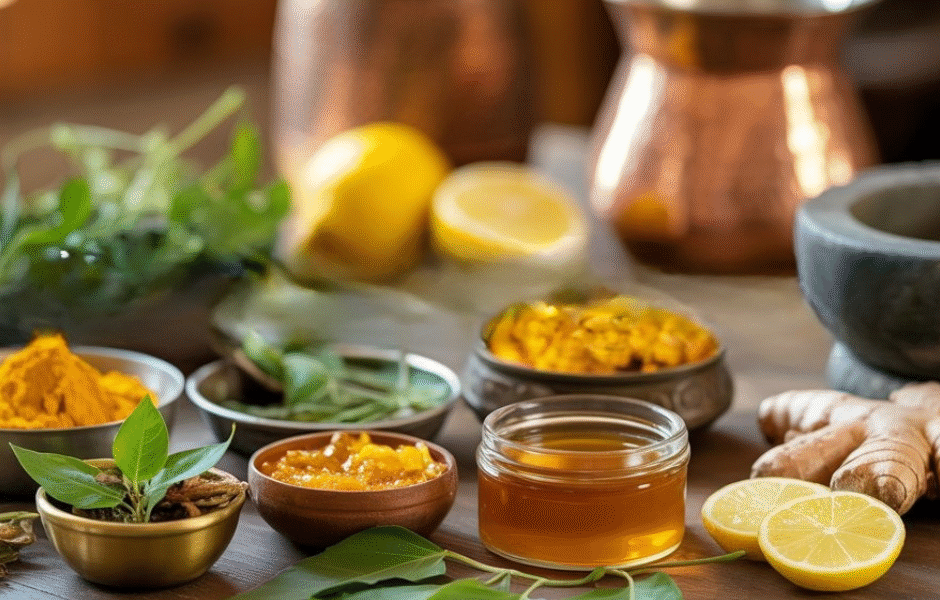
Introduction to Indian home remedies
The health and wellness traditions of India go back over five thousand years, providing the same solutions over time that are useful today. Contrary to modern medicine which often treat ailments, Indian wellness philosophy addresses the root issue by balancing the body, mind and soul.
What Makes Indian Wellness Unique?
It is believed that the Indian method of health care is holistic. It realizes that true wellness isn’t just the absence of disease, it’s an entire state of physical, mental and emotional harmony. The wisdom passed through generations, integrates practical everyday habits with powerful natural cures.
Core Principles of Indian Wellness:
- The prevention of cure maintaining balance before the onset of illness
- Natural cures using spices, herbs and other foods for medicine
- A personalised method understanding different body type (doshas)
- Living in the season adapting the way you live and your diet to climate change
- Connecting the mind and body acknowledging that mental health impacts physical health
Why Modern Indians Need Traditional Wellness
Today’s lifestyle brings unique challenges–sedentary work, processed foods, pollution, and chronic stress. Modern-day problems are often more effectively to traditional solutions rather than short-term solutions. Indian wellness practices provide long-lasting and non-injurious methods that can be used to help to complement (not substitute for) modern medical practices.
If you’re suffering from problems with digestion, low immunity or stress, or just need to improve you health and wellness, this complete guide will provide tested Indian wellness techniques that work in the modern world.
The Power of Ayurvedic Herbs
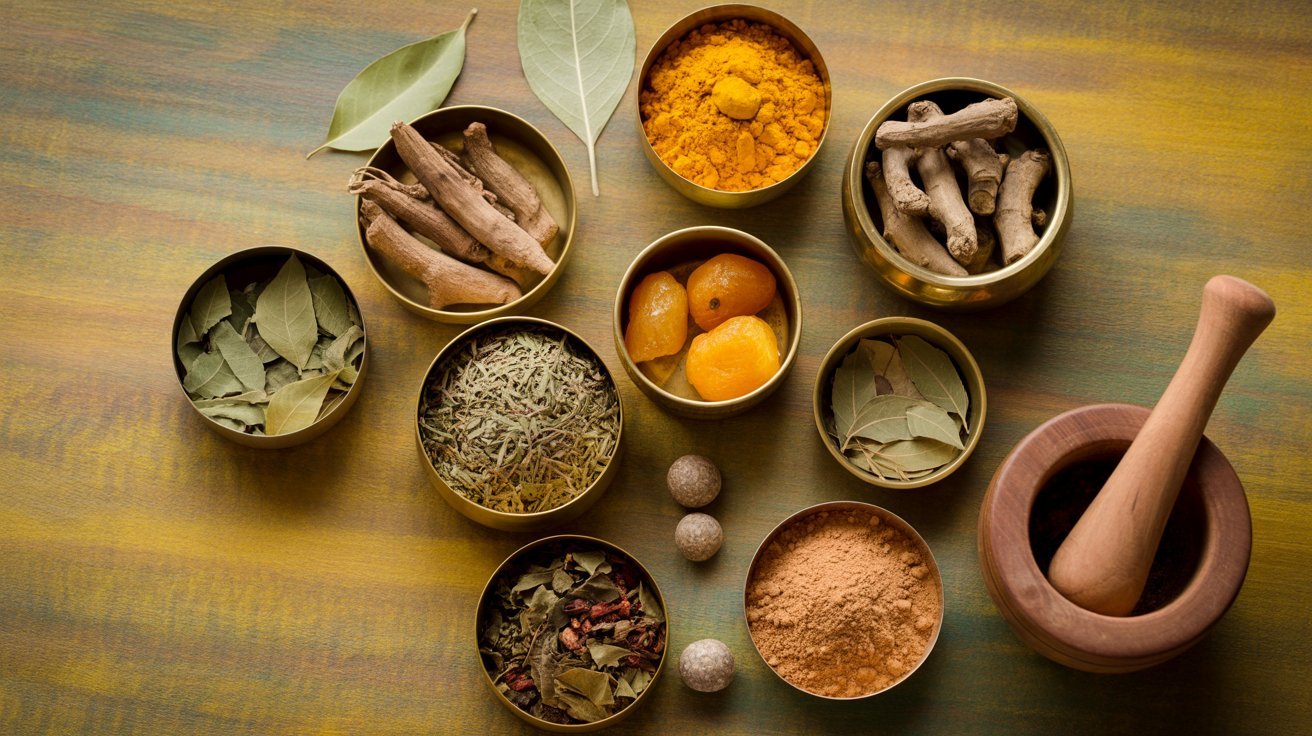
Ayurveda the Indian medical tradition, which is a centuries-old system, has identified hundreds of herbs that are healing. A lot of these potent herbs are easily accessible within Indian kitchens, but their benefits for health remain unexplored.
Understanding Ayurvedic Healing
Ayurvedic herbs differ from pharmaceutical medications. Instead of forcing changes immediately they help to restore the body’s natural balance. These herbs are usually healthy for long-term use, and usually provide multiple health benefits in one go.
Essential Ayurvedic Herbs for Modern Health
For Immunity & Vitality:
- Ashwagandha helps reduce stress and increases endurance
- Tulsi (Holy Basil) fights infections and helps to cleanse blood.
- Giloy boosts the immunity against seasonal diseases
For Digestion & Metabolism:
- Triphala improves digestion and detoxification
- Ajwain helps relieve gas and Indigestion
- Jeera (Cumin) enhances nutrient absorption
For Chronic Conditions:
- Turmeric helps reduce inflammation in the entire body.
- Neem cleanses blood and helps to support the health of your skin
- Brahmi increases cognition and memory
How to Incorporate Ayurvedic Herbs Daily
Begin by introducing one or two herbs that address your particular health concerns. Begin with one or two herbs that address your specific. The majority of them can be consumed in teas, mixed into hot milk or as supplements. The key is consistency, not quantity. Small daily doses will yield more benefits than frequent massive amounts.
Find More Information: To get more information regarding dosage, benefits and methods of usage check out our detailed guide to the Top 20 Ayurvedic Herbs List of health benefits you should know about.
Indian Superfoods for Daily Nutrition
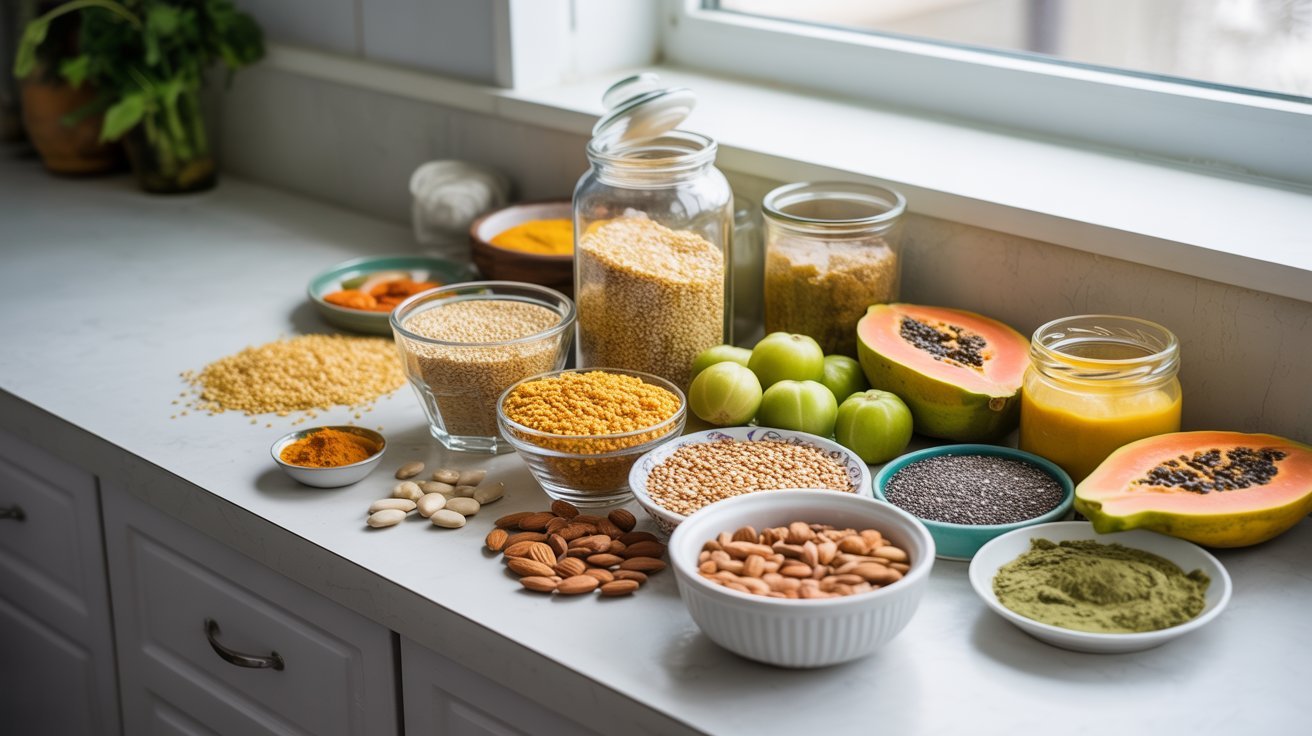
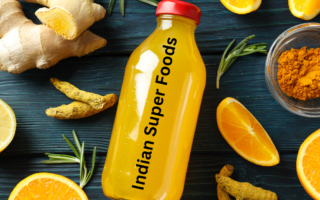
The phrase “superfood” might sound modern however Indians consume nutritious food items for centuries. Traditional ingredients are packed with nutritional value and have medicinal properties.
What Qualifies as an Indian Superfood?
Indian superfoods aren’t a rare import, they’re readily available ingredients that offer incredible health benefits, supported by the wisdom of the past and the latest research. They’re rich in antioxidants minerals, vitamins as well as bioactive compounds that help protect against illness.
Top Indian Superfoods You Should Eat Regularly
Spices & Herbs:
- Turmeric is a source of curcumin an anti-inflammatory and potent compound.
- Ginger helps digestion and combats nausea naturally
- Garlic Helps maintain heart health and improves immune system
Seeds & Nuts:
- Flaxseeds are high in Omega-3 fats to support brain and heart health
- Almonds provide energy for a long time and enhance cognitive function
- Sesame seeds excellent source of calcium to build bone strength
Fruits & Vegetables:
- Amla (Indian Gooseberry): Highest natural vitamin C content
- Moringa Complete protein containing all amino acids essential to life
- Bitter gourd Controls blood sugar naturally
Dairy & Fermented Foods:
- Desi Ghee is a gut-health booster and contains healthy fats
- Curd/yogurt: Probiotic-rich for digestive wellness
Building Meals Around Superfoods
You don’t have to be a chef to reap the benefits of superfoods. Just make sure that your meals contain:
- One spice (turmeric or ginger garlic)
- A handful of nuts, or seeds
- One serving of fermented traditional food
- Seasonal fruits and other vegetables
Find Out More Learn about preparation techniques as well as health benefits and daily meal guidelines in our thorough report: 10 Must-Have Indian Superfoods for a Healthy and happier You.
Seasonal Health: Thriving in Indian Climate
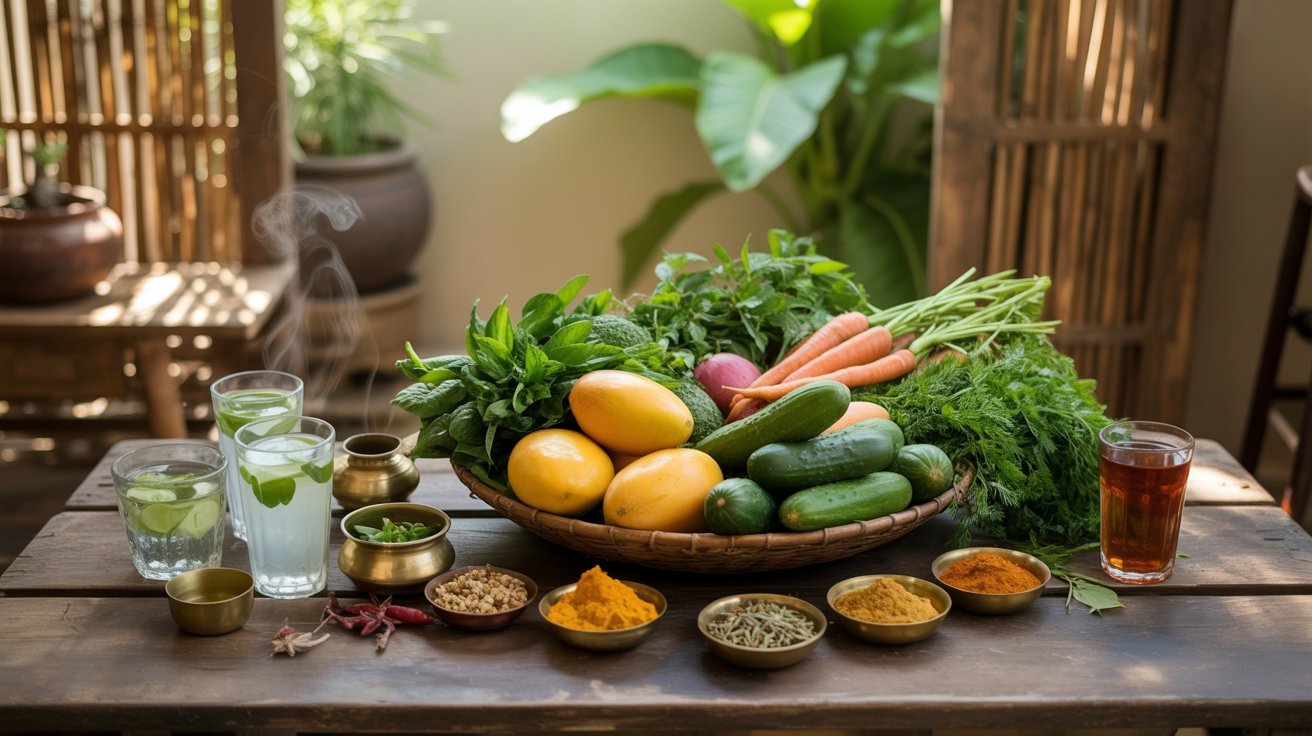
The varied climate in India demands periodic adjustments to ensure good health. The things that keep you healthy during winter may not work in the summer heat.
The Concept of Ritucharya (Seasonal Routine)
Ayurveda introduced Ritucharya, a method of altering your diet and lifestyle in accordance with the seasons. Every season has its own effects on your body and requires specific food items as well as activities and precautions.
Summer Health in India: Special Considerations
Indian summers are extremely challenging with temperatures that often exceed 40 degC (104degF) in a variety of regions. The extreme heat depletes the body fluids, decreases digestion capacity, and causes more the risk of heat-related diseases.
Essential Summer Wellness Strategies:
Hydration & Cooling:
- Drink 3 to 4 liters of water each day, or more if you exercise
- Use natural coolants such as buttermilk, coconut water and cucumber
- Avoid drinking cold beverages right away after exposure to sunlight
Dietary Adjustments:
- Eat light, easily digestible meals.
- Increase your intake of water-rich fruit (watermelon or the muskmelon)
- Reduce oily, heavy, and spicy food items
- Use cooling herbs such as coriander and mint
Daily Routine:
- Exercise in cooler times (early morning or in the evening)
- Shower in lukewarm water instead of cold ones with ice.
- Wear breathable, light cotton fabric
- Avoid direct sun exposure between 11 AM – 4 PM
Common Summer Health Issues & Prevention:
- Hyperthermia Keep hydrated, be aware of early warning symptoms
- Digestive issues Consume freshly cooked food, and avoid street food.
- Skin issues: Use natural sun protection like aloe vera
- Dehydration The color of the urine on the monitor is pale yellow is a sign of good the level of hydration
Keeping Children Healthy in Summer
Children are more susceptible to diseases caused by heat. Be sure that they
- Drink plenty of water (even when you aren’t thirsty)
- Wear sunscreen-protective clothing and wear hats
- Consume foods that are hydrating, such as fruits and yogurt
- Avoid outdoor play during peak heat hours
Comprehensive Summer Health Care: For comprehensive summer health and wellness strategies for the entire family with meal plans, as well as warning signs to be aware of to be aware of, check out: Life changing summer health tips
Kids”Nutrition: Keep your children healthy and happy with our advice: Summer Foods for Kids
Holistic Wellness Practices
Wellness goes beyond physical health and encompasses emotional stability, mental clarity and spiritual development. Indian traditions have holistic practices that support the whole spectrum of wellbeing.
The Mind-Body Connection in Indian Philosophy
Indian health practices recognized the connection between mind and body for thousands of years ago, long before modern science could confirm the connection. Stress, emotional stress, and mental disorders directly affect physical health, whereas the physical condition can impact mental health.
Daily Practices for Holistic Health
Dinacharya (Daily Routine):
Ayurveda is a system of regular daily routines that are in sync with the natural rhythms of circadian cycles:
- The early rise (around dawn) sets a positive mood for the rest of the day.
- Pulling oil (swishing oil around in mouth) helps improve oral and digestive health
- Scraping the tongue gets rid of toxins that have accumulated over the night
- Self-massage using warm oil to nourish skin and calms nervous system
- Regular meal times support optimal digestion
Yoga & Movement:
Yoga is more than just physical exercise. It’s an entire system that connects breathing, movement, and awareness. Even 15-20 minutes daily can:
- Increase flexibility and strength
- Reduce anxiety and stress
- Improve the function of the respiratory system
- Balance hormones naturally
- Increase the energy levels
Pranayama (Breath Control):
The practice of conscious breathing can provide immediate advantages:
- Anulom Vilom (alternate nostril breathing) helps balance the nervous system.
- Kapalbhati boosts energy and cleanses
- Bhramari (bee breath) helps reduce stress immediately
Meditation & Mindfulness:
Regularly practice meditation:
- Lowers the cortisol (stress hormone) levels
- Increases focus and helps in decisions
- Enhances emotional regulation
- Promotes better sleep quality
Spiritual Wellness for Mental Peace
Indian philosophical tradition offers wisdom that is timeless to face life’s challenges. The ancient texts such as the Bhagavad Gita offer practical guidelines for retaining calmness during tough moments.
Key Spiritual Principles for Daily Life:
- Accept the fact that what is unchangeable cannot be changed.
- Be focused on your efforts rather than the outcome
- Practice gratitude daily
- Learn to cultivate compassion for self as well as others.
- Find a reason to be beyond material success
Spiritual Guidance Find practical advice for your life derived from ancient wisdom within our post: Lessons from Bhagavat Gita
Family Health & Wellness
To create a healthy home, it is a team effort. If the entire family is committed to health, sustainable lifestyles are easy and enjoyable.
Building Healthy Family Routines
Shared meals: Eating together strengthens connections while also promoting healthier nutrition. Family meals enable parents to demonstrate healthy eating habits and keep an eye on children’s diet.
Active Together Replace screen-time with family outdoor activities, walks or yoga classes. Children who watch their parents exercise tend to stay active for the rest of their lives.
stress management: Teach children healthy ways to cope early. The family meditation or breathing exercises help build emotional resilience.
Wellness Activities for Different Ages
For Children in the Early Years (3-8 Years):
- Have fun with your health through games and stories
- Participate in cooking meals.
- Introduce basic hygiene through an adventure
- Play outside and encourage a nature connection
For Teenagers & Preteens (9-18 year olds):
- Define what is the “why” behind healthy choices
- Take care of their increasing autonomy when making decisions
- Be aware of peer pressure about junk food and other unhealthy habits of sitting
- Be aware of physical changes and mental health
For Adults & Seniors:
- Prioritize preventive health check-ups
- Adjust exercises to accommodate different levels of mobility
- Take care of age-specific nutritional requirements
- Make sure you are connected to others for mental health
Keeping Children Engaged During Long Breaks
Summer vacations, and especially school vacations, are a challenge for parents to keep their children engaged. It’s all about balancing the enjoyment of children with health-promoting activities.
Ideas for Healthy Summer Engagement:
- Home cooking classes (healthy recipes)
- Indoor gardening projects
- Crafts and creative arts
- Documentaries on health education and nature
- Games for the board that stimulate thinking
- Household responsibilities that are appropriate for the age of the household.
summer activities: Discover 25 engaging ways to keep your kids healthy, happy and busy over the holiday season: Summer Activities for Kids
Celebrating Wellness Through Culture
Indian celebrations and practices naturally promote health and wellness for the community but their benefits for health often go under-appreciated.
Friendship & Social Connections
Social bonds that are strong directly affect health. Research has shown that people who have strong friendships have:
- Lower levels of anxiety and depression
- Improved heart health
- Stronger immune systems
- Longer-lasting
Indian culture is known for celebrating friendship informally through events such as Friendship Day, reinforcing the importance of building relationships.
Health Benefits of Strong Friendships:
- Emotional support during stress
- Motivation for healthy behaviors
- Feeling of belonging and sense of purpose
- Joy shared with others can boost mental wellbeing
Celebrating Connections Discover meaningful options to celebrate your friendships: FriendshipDay Celebration Ideas
Conclusion
Indian health and wellness practices offer a comprehensive plan to be successful in the modern world. Through integrating traditional wisdom with modern demands, you can create an environment that is sustainable and beneficial to the entire family.
Keep in mind that health and wellness cannot be obtained in a single day. Start small, adding the one Ayurvedic herb, create a healthy routine, and try one new superfood. The incremental changes will build in time, and transform your overall health.
The appeal of Indian health is within its accessibility. There aren’t any extravagant supplements, expensive ingredients or complex procedures. The majority of solutions are in your kitchen, costing a small amount and require only the sameness and determination.
Your Next Steps:
- Pick one section from this guide that you want to concentrate on this week
- Check out the in-depth articles throughout to gain a deeper understanding
- Practice these techniques with your family members
- Keep track of your progress and adjust when necessary.
- Get in touch with a qualified practitioner for individualized advice
Related Resources
Get your wellness information up to date through these detailed guidebooks:
- Ayurvedic Herbs ListThe herb’s detailed profiles and usage guidelines
- Must Have Super Foods Full nutrition and recipe information.
- Summer Foods for Kids Keep your children well-nourished during the holiday season.
- Lessons from Bhagavat Gita– Spiritual wellness to promote mental peace
- Summer Activities for Kids Engage in healthy ways ideas for children
Disclaimer
The information shared in this blog is for general knowledge and educational purposes only. Indian home remedies are traditional practices and may not suit everyone. They are not a substitute for professional medical advice, diagnosis, or treatment. Always consult a qualified healthcare provider before using any remedy, especially if you are pregnant, on medication, or have existing health conditions.
Use the remedies mentioned here at your own discretion and responsibility.
FAQS
What are Indian home remedies?
Are Indian home remedies safe to use daily?
Which home remedies help with immunity?
When should I not use home remedies alone?
Do seasons affect home remedies?