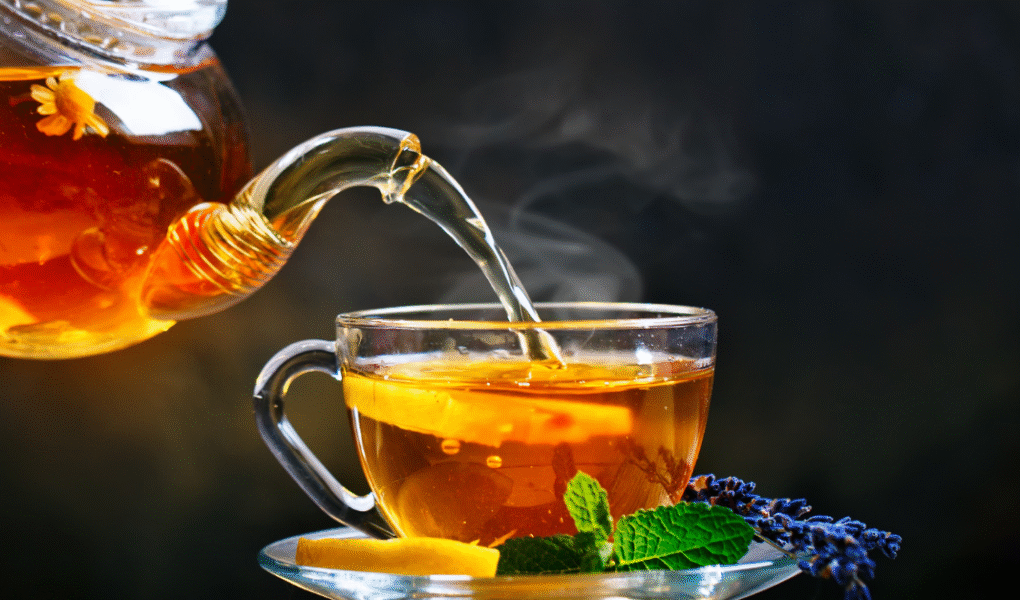

Are you still snoring after the evening cup of tea? You’re not the only one. Many millions of Indians are embracing the wonders of tea that is caffeine-free is the perfect choice for those who love tea and want the warmth of a hot cup of tea without having to worry about sleepless consequences.
What exactly does it mean? Caffeine Free Tea?
Let’s get the confusion out first. The caffeine-free tea isn’t strictly “tea” according to the conventional sense. The real tea (black white, green or Oolong) is all derived directly from Camellia sinensis plant, which naturally contains caffeine. What we refer to as caffeine-free tea is actually in fact herbal infusions, or “tisanes” which are made of flowers and roots, herbs, and spices that provide amazing flavours without even a milligram or a single milligram.
What’s the Reason Indians Are Changing towards Caffeine Free Tea
The Evening Chai Problem
We Indians are chai lovers – morning noon, evening, and even night! But what about that cup at 8 pm? It’s usually the reason for shifting and turning till midnight. Tea that is caffeine-free lets you maintain your tea routine without having to sacrifice the quality of your sleep.
The Health Benefits That You Shouldn’t overlook
- Better quality sleep The absence of caffeine is no disruption to the natural cycle of sleep.
- Reducing acidity It is ideal for those who are dealing with gastric issues.
- Safe for pregnant women Many herbal teas are safe for pregnant women (always consult your physician)
- Hydration In contrast to regular tea, these don’t make you feel drained.
- Ayurvedic therapy Many of the options are in line with the traditional Indian wellness practices.
15 Top Caffeine Free Teas in India
-
Chamomile- The Sleep Champion
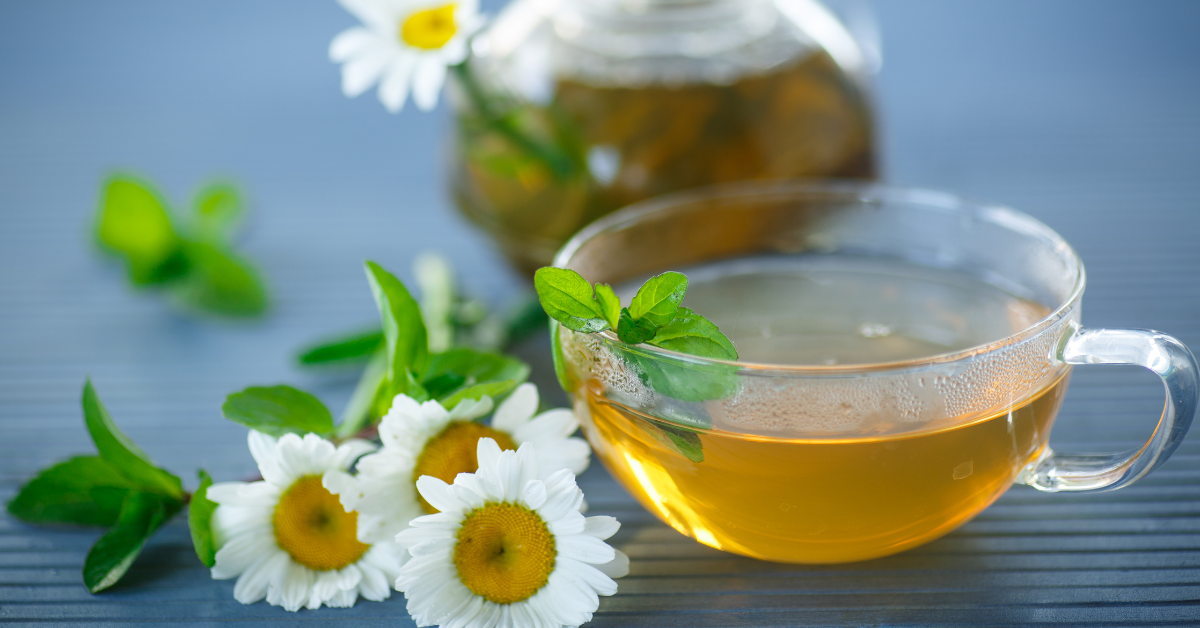
Chamomile is the perfect bed companion. This delicate, apple-scented plant has been utilized for centuries to ease the mind and promote sleep. A lot of Indian brands are now offering local chamomile that’s more fresh and less expensive than imported varieties.
Best for: Insomnia, anxiety, digestive issues
-
Tulsi (Holy Basil) Tea India’s Pride
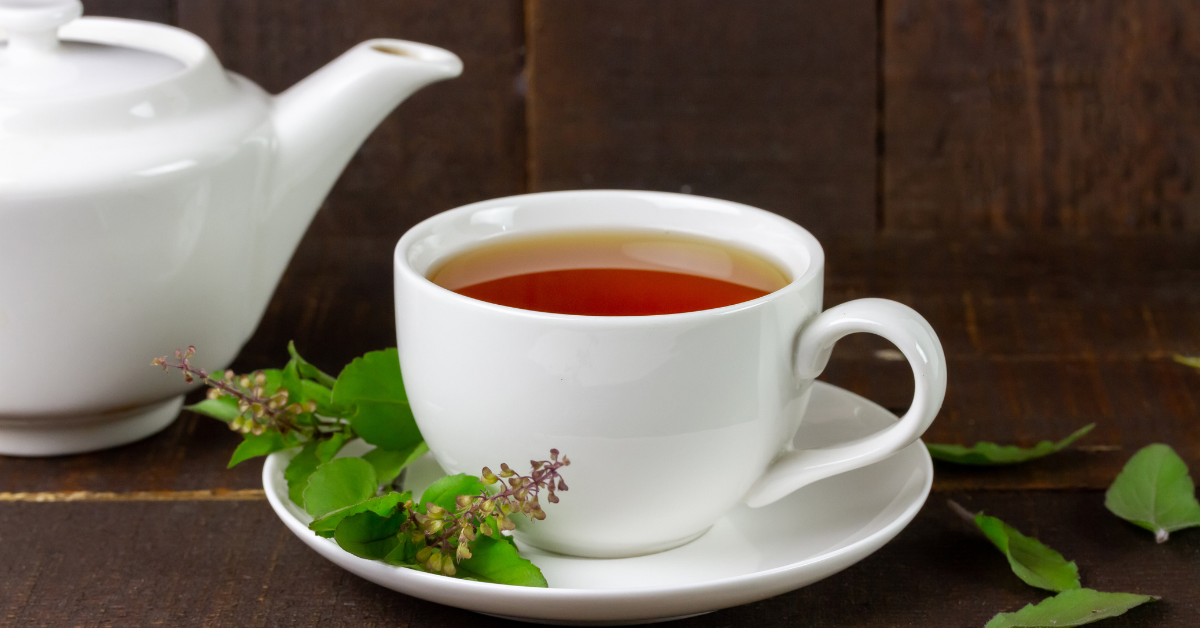
Tulsi tea acts as an adaptogen that can help the Chamomile Tea body cope with stress while also boosting the immune system. It is deeply rooted in Ayurveda and is slightly spicy with notes of sweetness.
Ideal for immunity and stress relief, respiratory health
-
Ginger Tea – The Desi Classic
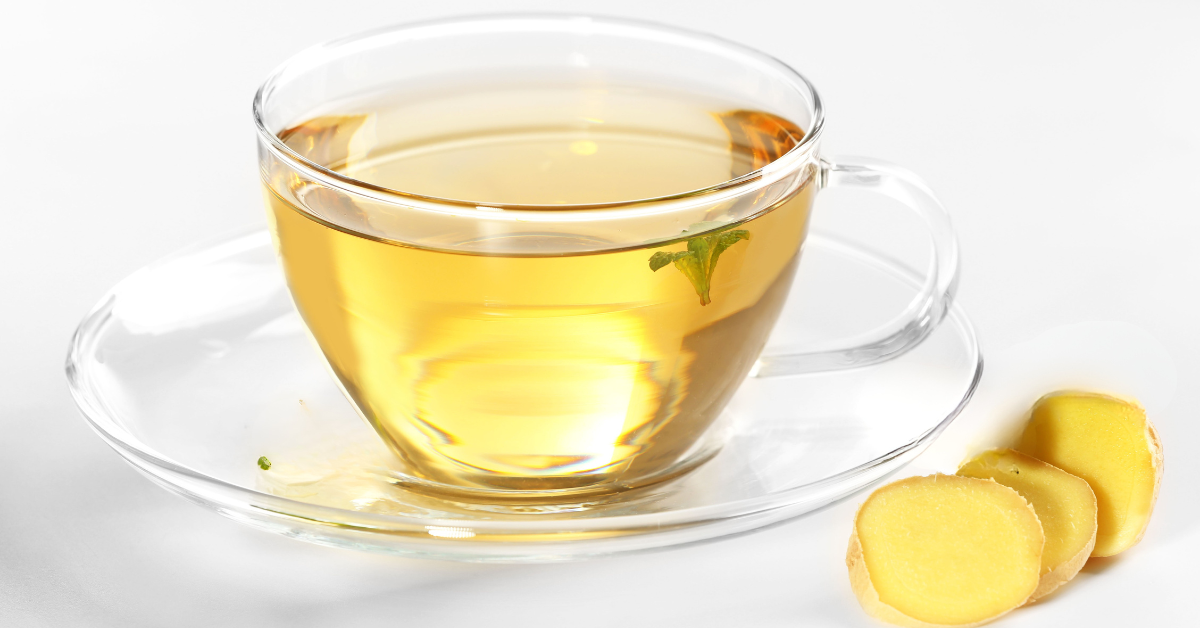
The pure ginger infusion (without tea leaves) is warming, digestible and ideal for our Indian taste. With jaggery, you’ll have an infusion that is comforting and feels like a home.
Best for Digestion nausea, nausea, cold, and cough
-
Peppermint Tea – Cool and Refreshing
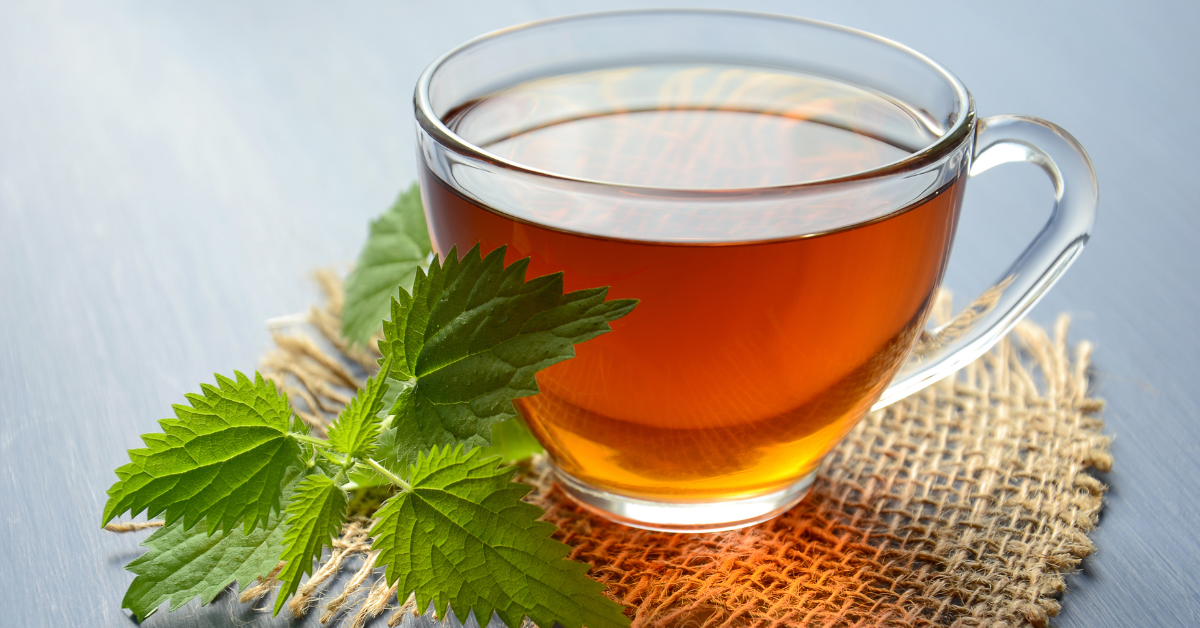
The menthol-rich tea helps cool the body from the inside. In India’s humid climate, chilled peppermint tea is becoming more popular, particularly during summer.
Best for: Digestive issues, headaches, fresh breath
-
Rooibos Tea — The Red Gold
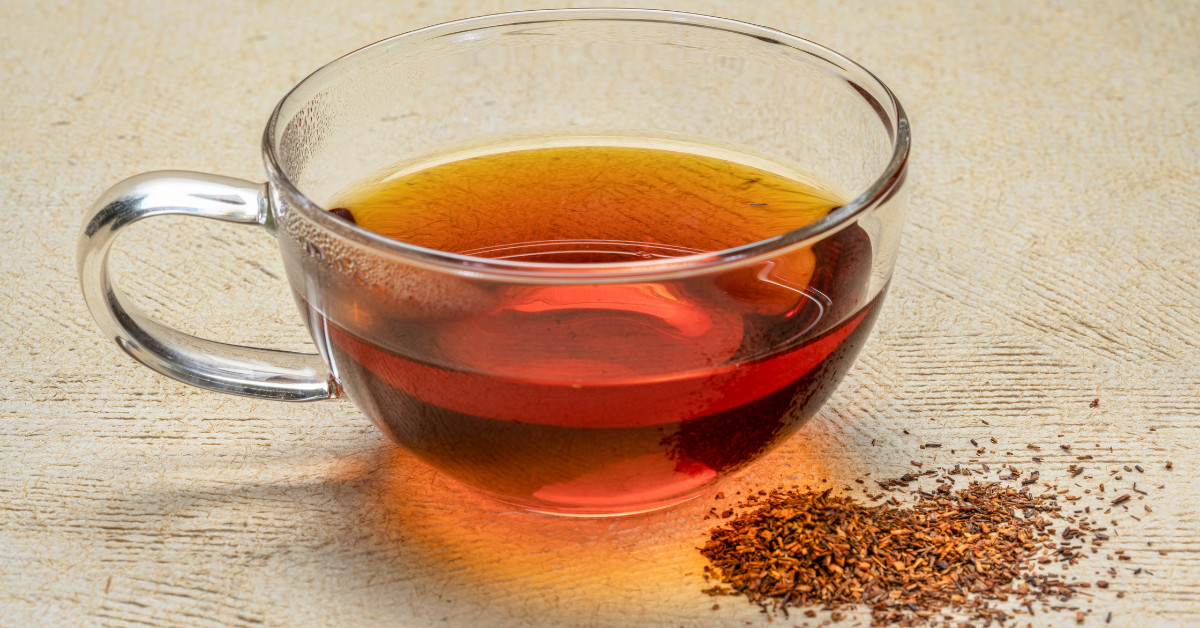
While it’s a product of South Africa, rooibos has been able to gain a large following in India. It’s naturally sweet, high in antioxidants and has an aroma that is similar to black tea, making it an easy choice.
Best for: Heart health, skin problems, bone strength
-
Lemon Balm Tea – The Mood Lifter
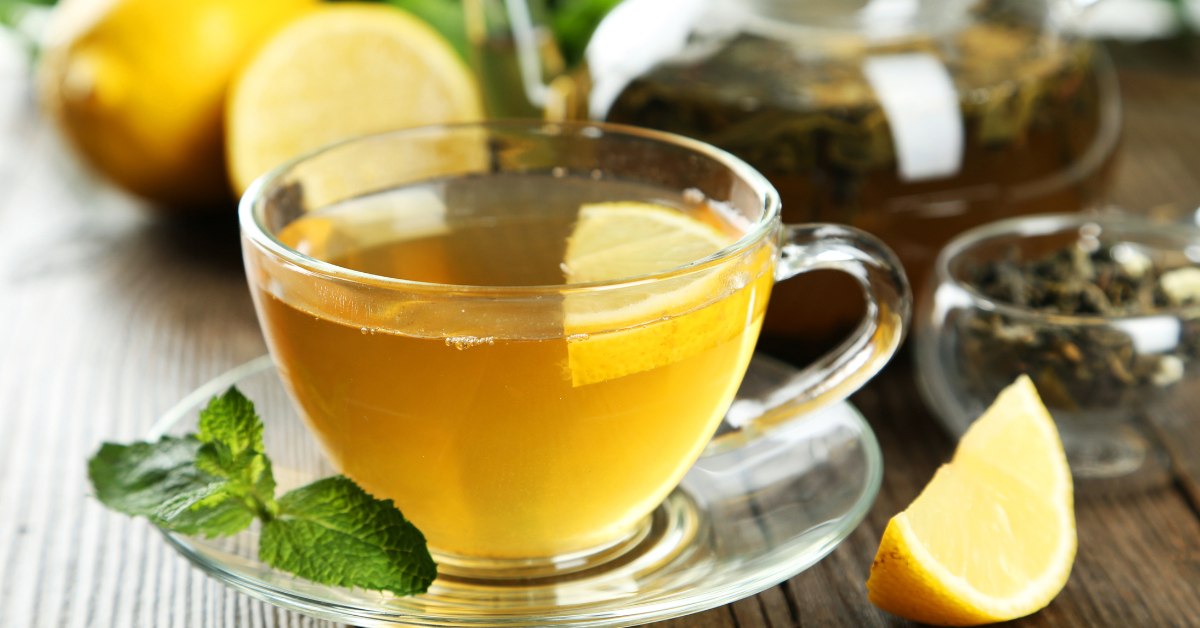
This herb with a citrus scent is increasing in recognition among Indian health circles. It’s great for calming anxiety and boosting mood, without causing feeling of drowsiness.
Best for Anxiety, mood shifts Mental clarity, mood swings
-
Hibiscus Tea – The Ruby Red Beauty
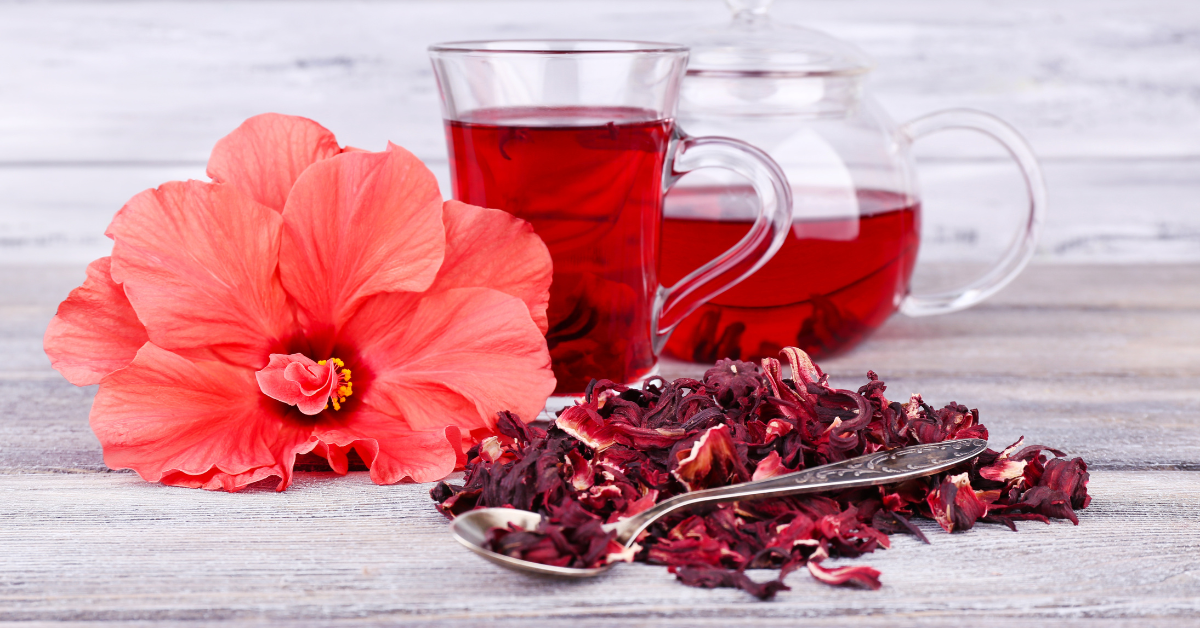
The flavour is vibrant, lively, and packed with vitamin C. The hibiscus tea (known as “gudhal” in Hindi) is the perfect choice for those who prefer their tea with an oomph. It also aids in managing your blood pressure without any effort.
Ideal for Blood pressure and weight control, liver health
-
Cardamom Tea – Elaichi Magic
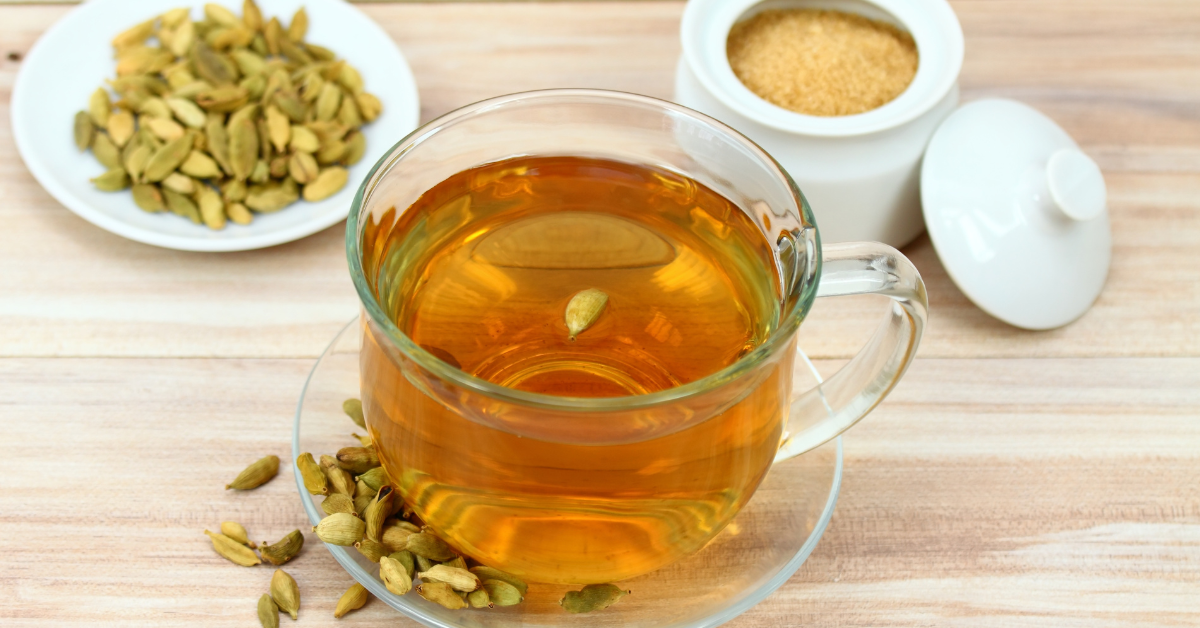
Pure cardamom infusion, without tea can be described as a fragrant therapy in the form of a cup. Indians already enjoy elaichi in their traditional chai, and this change feels natural.
Best for: Digestion, detoxification, fresh breath
-
Fennel Tea – Saunf Ka Kamal
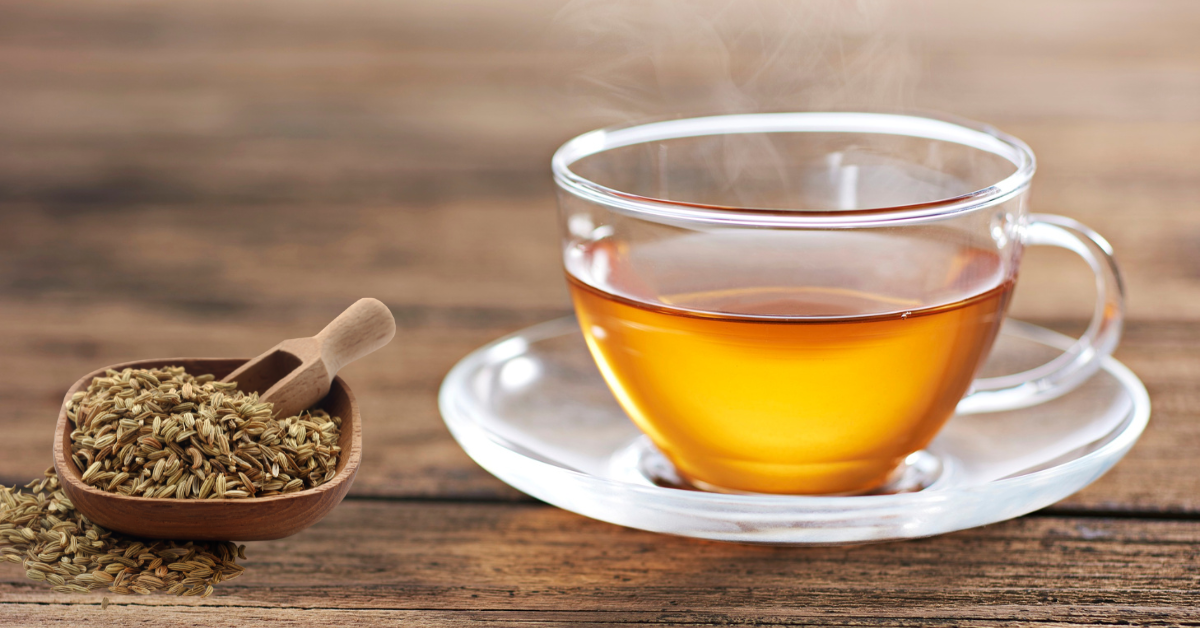
We all chew saunf at the end of meals So why not make a cup of it? The tea of fennel is sweet and digestive, and may assist new mothers suffering from lactation.
Ideal for digestion, bloating Women’s health, digestion
-
Ashwagandha Tea – The Stress Buster
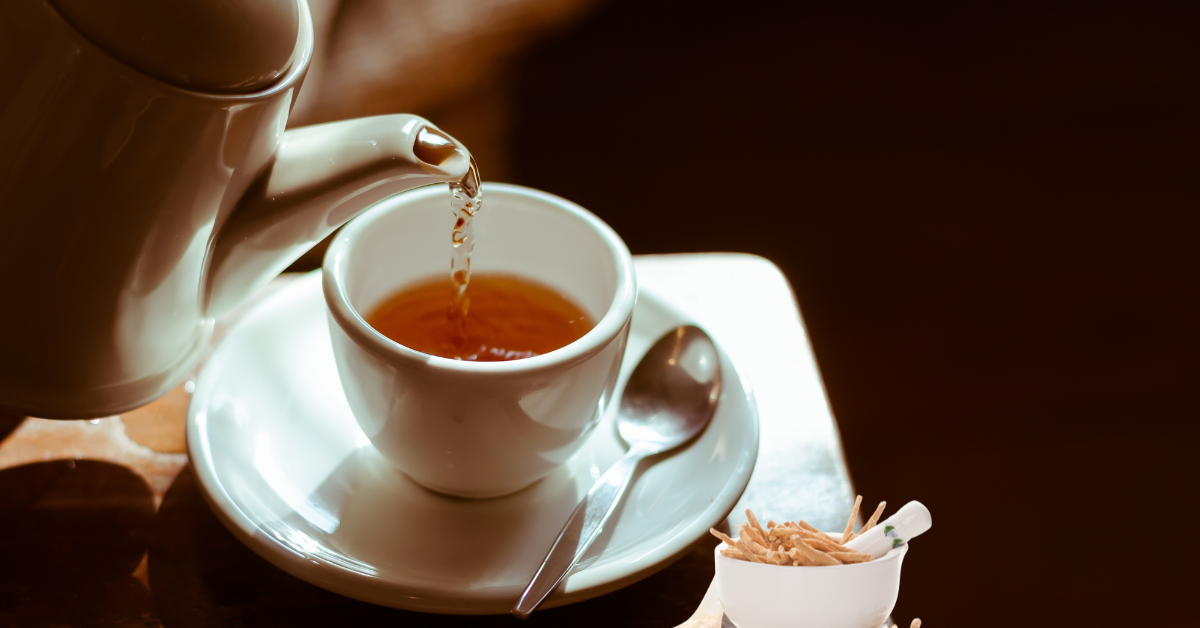
This Ayurvedic superfood helps regulate cortisol levels, and enhances sleep quality. It is ideal for India’s urban high-stress life style.
The best for Energy levels and hormone balance
-
Butterfly Pea Flower Tea – Instagram Good
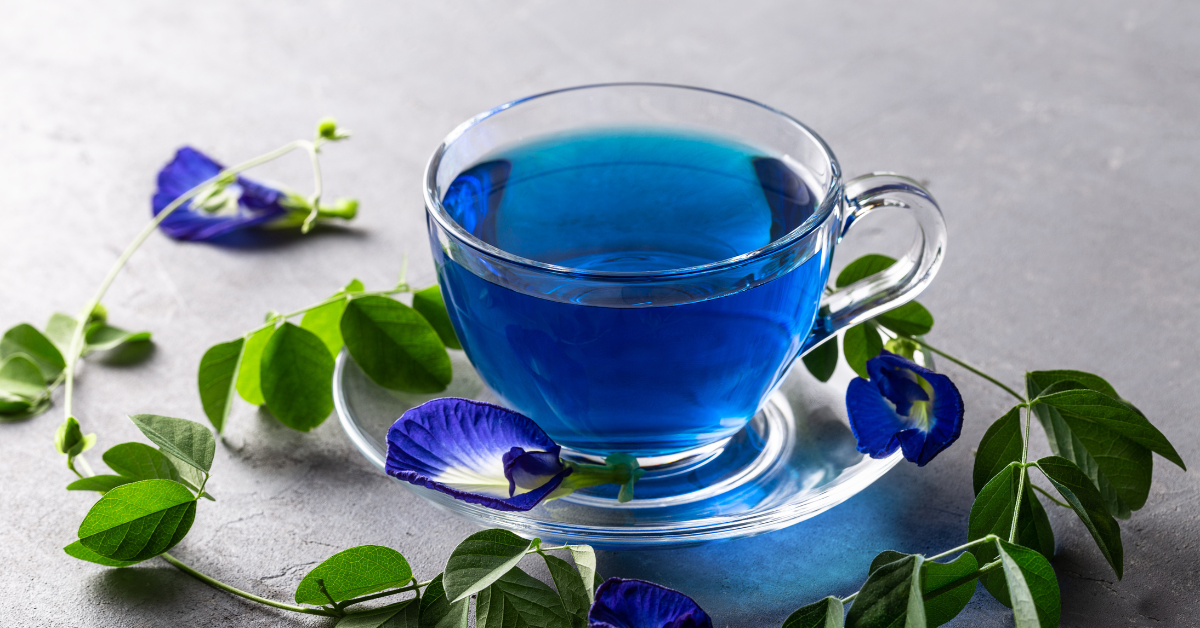
The gorgeous blue tea that transforms hue with lemon! It’s not just pretty, it’s full of antioxidants and is caffeine-free.
Best for antioxidants Hair health, brain function
-
Moringa Tea – Drumstick Leaf Power
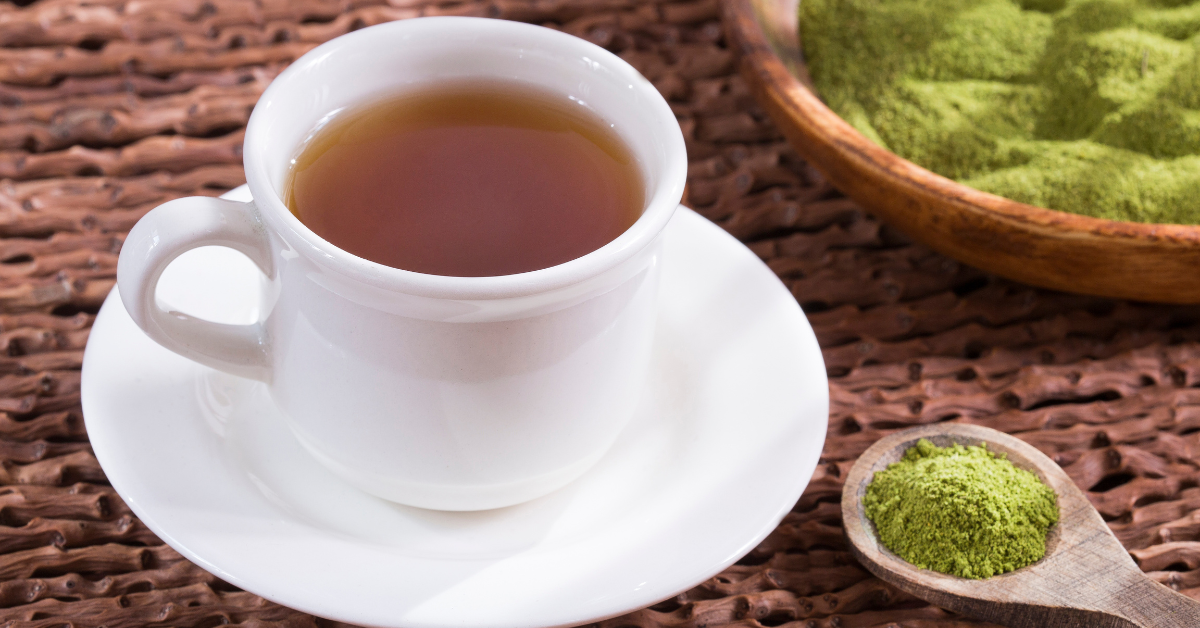
Also known in the form of “sahjan” In India moringa leaves create an extremely nutritious tea that is becoming a recognized superfood.
Best for Energy, nutrition (without caffeine) and inflammation
-
Rose Tea – Gulkand in Liquid Form
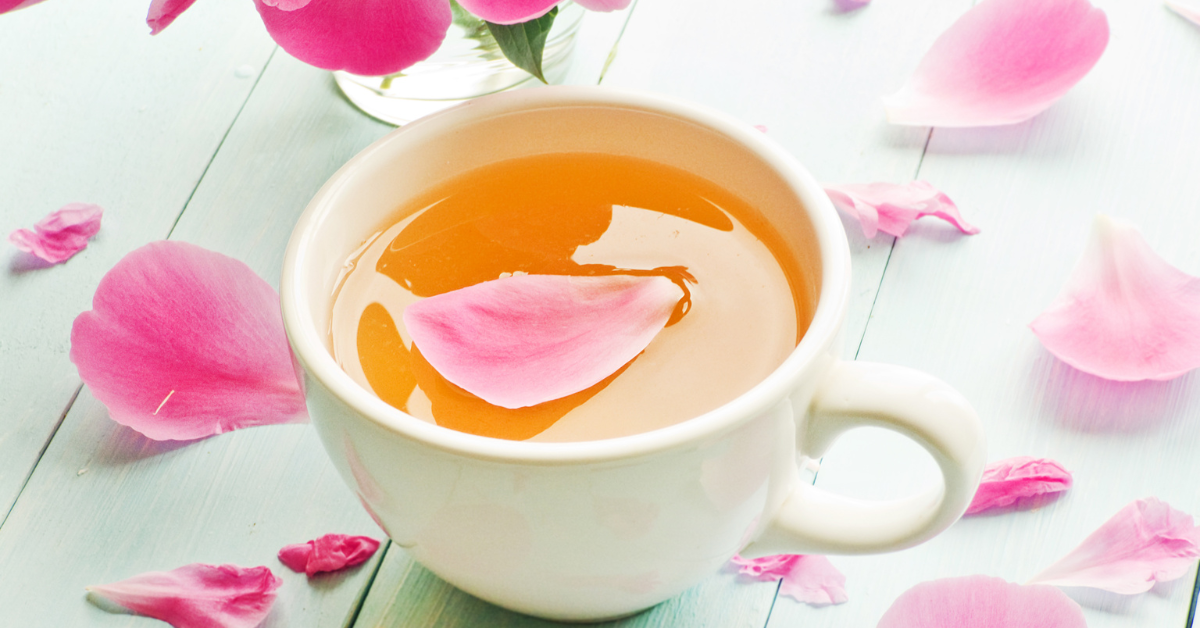
Soft, delicate and deeply relaxing, rose petals tea is similar to drinking a glass of luxurious. It also cools according to Ayurveda.
Best for: Skin health, cooling effect, menstrual comfort
-
Licorice Root Tea – Mulethi Magic
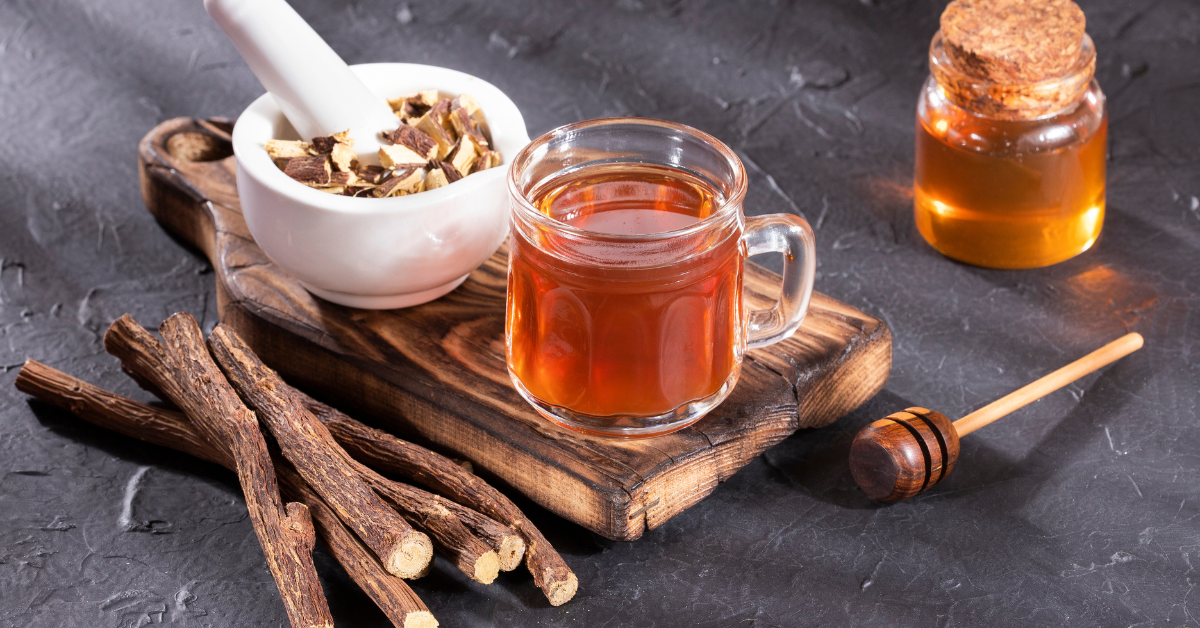
Sweet and without sugar, licorice tea is a sweet treat for those who want to limit their sweet consumption while seeking to experience the dessert-like pleasure.
Best for: Throat health, digestion, adrenal support
-
Lemon grass Tea – The Detox Delight
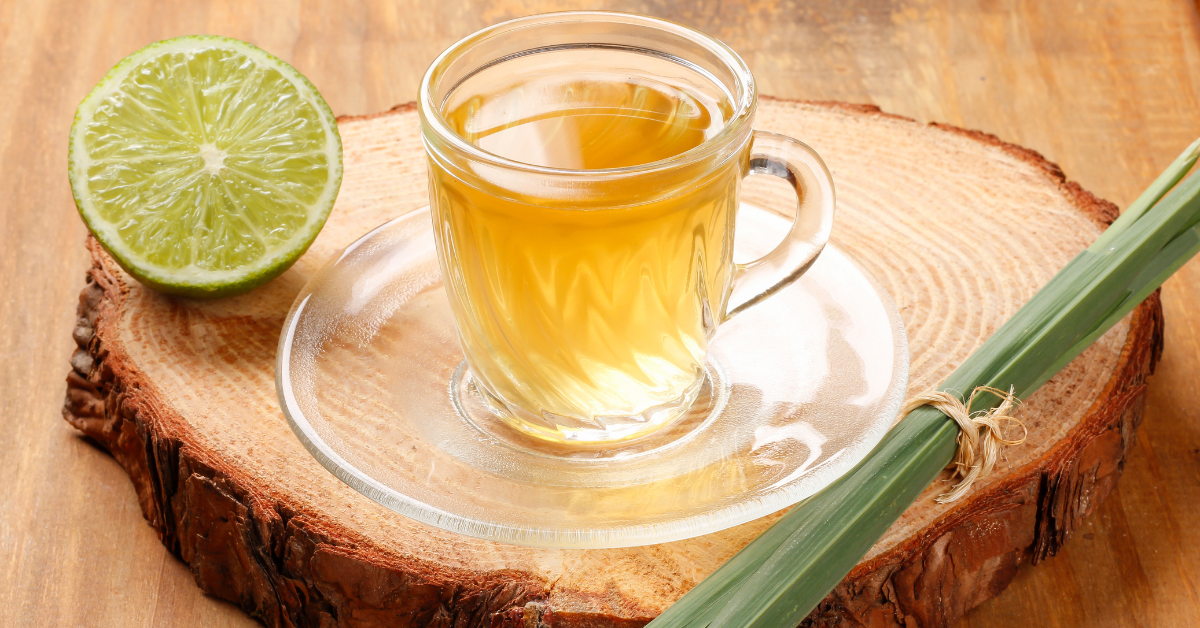
A common ingredient found in Indian gardens and stalls along the street lemon grass tea is refreshing and cleansing and has antimicrobial qualities.
Best for detoxification and weight loss, as well as resistance
How to Make the perfect Cup of Caffeine Free Tea
The great thing about herbal teas lies in their tolerant nature. However, here’s how you can get the most flavour:
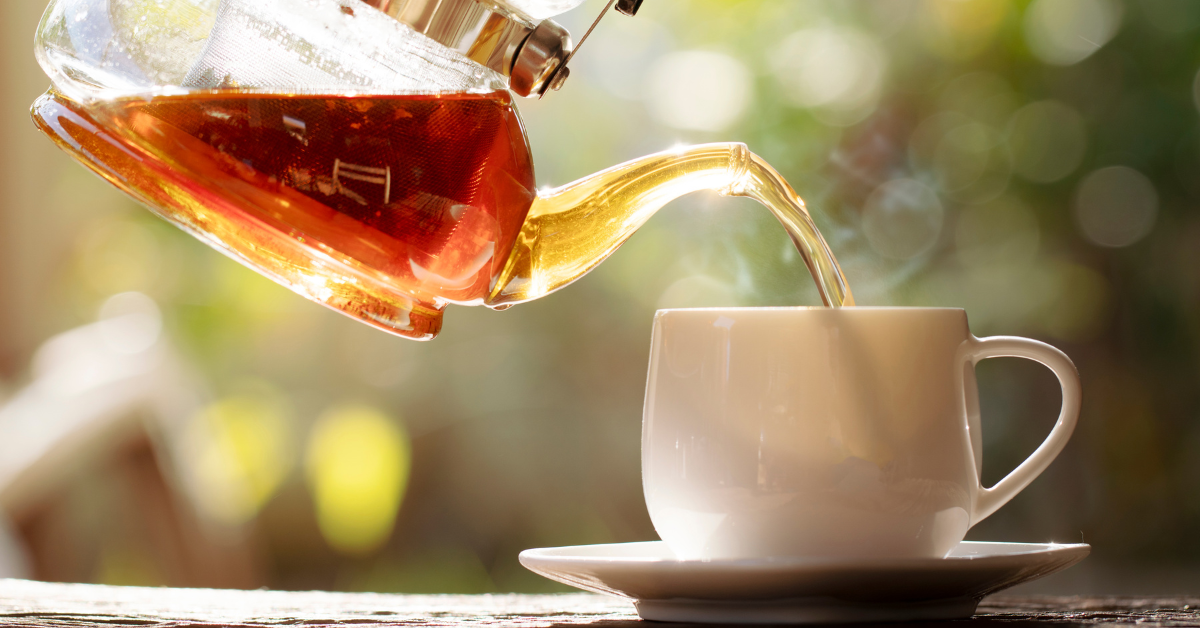
- Make use of fresh water Boil filtered water to ensure the best taste
- Temperature is important The majority of tea lovers prefer the heat of boiling the water (unlike green tea)
- Steep for longer 5-10 mins is perfect for herbal infusions
- Cover while incubating Captures aromatic oils and increases flavour
- Explore sweeteners with a variety of Try jaggery, honey, or stevia in place of sugar
Where can I buy High-Quality Caffeine free tea in India
online platforms: Amazon India, Flipkart and Big Basket offer a wide range of brands
Famous brands from India:
- Organic India (Tulsi range is fantastic)
- Anveshan
- The Indian Chai
- Vahdam Teas
- TeaTrunk
- Gia (specializes on herbal teas for wellness)
Local markets Visit your nearest natural store or herbal stores in areas such as Sarojini Nagar (Delhi), Chickpet (Bangalore) as well as Crawford Market (Mumbai) or your local market.
Common Errors to Avoid
Tea leaves that contain herbal ingredients Some “herbal” mix of chai have black tea. Check the label carefully if you are looking for caffeine-free alternatives.
Doing too much Some herbs, like the licorice should not be consumed in large amounts regularly. The variety is the key.
Looking for instant results Herbal teas can be used slowly. Allow them to sit for a few weeks of daily consumption to see changes.
Avoiding allergies If you are allergic to ragweed you may react to the chamomile. Start with small amounts.
Mix Indian Spices with Caffeine Free Tea?
Absolutely! Design yourself your very own herbal desi chai
- Rooibos + cardamom + cinnamon + ginger = Masala rooibos chai
- Chamomile + fennel + tulsi = Calming Indian blend
- Lemongrass + Hibiscus + mint = cooler summer days
Does Caffeine Free Tea Really Better?
For some people, yes! If you suffer from:
- Jittery or anxiety from regular tea
- Sleep disturbances
- Heart palpitations
- Pregnancy concerns
- Acid reflux
Moving to non-caffeinated alternatives can have a profound impact on your life. If you manage the caffeine well and are enjoying the morning jolt There’s no reason to cut it out completely. The aim is to find the balance.
The Truth- The New Evening Ritual is Waiting for You
It’s not about sacrificing something you enjoy – it’s about expanding the choices. Imagine getting your day started with a soothing chamomile, not coffee and jitters. This is the peace and tranquillity that caffeine-free tea provides.
For us Indians tea isn’t just a drink, but an expression of emotion as well as a break or conversation starter. With these teas you can keep the traditional ritual but increase the benefits. If you’re looking to enhance sleep, decrease anxiety, or just explore new flavours. There’s a caffeine free tea ready to be your new favourite.
Begin with one that is appealing to your tastes or addresses a particular health issue. Give it the time of a week. The body (and your sleeping schedule) will be grateful.
Are you ready to switch? What tea with no caffeine should you choose to try first?
Disclaimer: This blog is for informational purposes only. Always consult with a healthcare provider before making significant changes to your diet, especially if you’re pregnant, nursing, or have existing health conditions.
FAQs
What is caffeine-free tea?
Is caffeine-free tea good for health?
Can I drink caffeine-free tea at night?
What are the best caffeine-free tea options?
Is caffeine-free tea safe during pregnancy?
What is caffeine-free tea?
Is caffeine-free tea good for health?
Can I drink caffeine-free tea at night?
What are the best caffeine-free tea options?
Is caffeine-free tea safe during pregnancy?

Thanks for sharing this helpful content. The focus on healthy habits instead of short-term results is something more blogs should talk about. Weight loss can be overwhelming, but your approach makes it feel achievable and less intimidating for readers.
[…] Caffeine Free Tea […]
This is a very well-structured post with practical tips anyone can follow. I especially liked the advice about making small changes instead of trying to overhaul everything at once. That approach feels much more sustainable and realistic for long-term success.
Very helpful and motivating article. I appreciate that you focused on progress over perfection, which is something many people forget. Your advice feels realistic and encouraging, making it easier for readers to stay consistent.
Really useful article. The tips you shared about staying consistent and building routines are very practical. Many people give up because they expect fast results, but your content does a great job of setting realistic expectations.
[…] lift without the crash. If you love caffeine-free healthy drinks, also check out our guide on caffeine free tea — another great natural energy booster! – Provides a quick energy lift without the crash that […]